Anaplasmosis in Cattle: Signs, Risk and Control
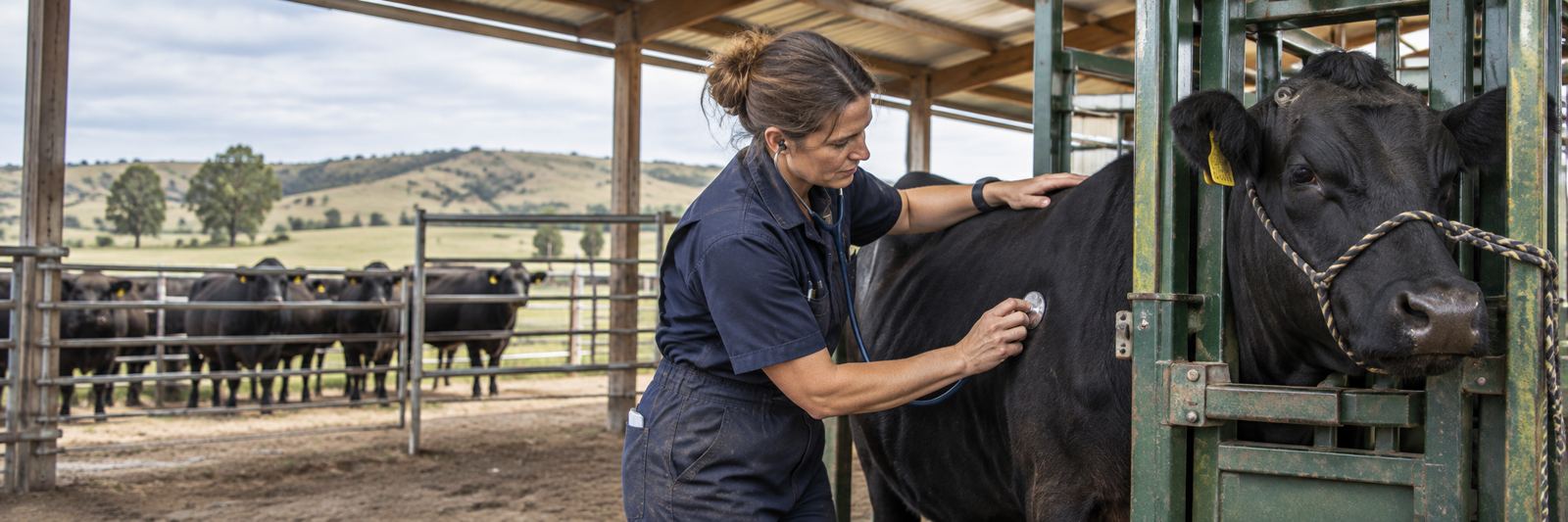
Most ranchers meet anaplasmosis the hard way. A cow that looked fine yesterday is standing off by herself with her head down, her gums are the color of a paper napkin, and she's in no mood for conversation. Sometimes the first sign is a dead cow in the pasture and a long list of questions nobody can answer yet.
The disease is caused by a bacterium, Anaplasma marginale, that infects red blood cells. The body destroys the infected cells, and the animal turns anemic. Adult cattle tend to be hit harder than calves, which often show mild signs or none at all. Cases show up all year in some regions but cluster in late summer and fall, when biting flies and ticks are at their worst.
If you suspect it, call your vet quickly. Early treatment improves recovery odds, and how you handle the cow in the meantime matters more than people think.
Signs to watch for
The incubation period varies from about one week to two months, and averages around four weeks, according to the University of Missouri's anaplasmosis guide for Missouri cattle. By the time signs show, a meaningful share of red blood cells is already infected.
- Fever and depression
- Pale mucous membranes in the gums, eyes and vulva
- Yellowing (jaundice) in more serious cases
- Weakness, reluctance to move, lagging behind the herd
- Loss of appetite and drop in milk
- Rapid breathing and a pounding heartbeat
- Nervousness or aggression in some severely anemic animals
- Abortion in pregnant cows
- Sudden death, especially in herds that aren't checked daily
Plenty of other problems look similar, including leptospirosis, babesiosis in some regions, copper deficiency, heavy parasite loads and plant toxicities. You need a veterinarian's blood work to confirm it. The cheap guess and the expensive truth usually point in different directions.
How anaplasmosis spreads
Ticks
Certain ticks, including the Dermacentor group, multiply the organism inside them and pass it along in large doses. In many areas, ticks are the main reason it keeps coming back.
Biting flies
Horse flies and other biting flies carry blood from one animal to another on their mouthparts. The window is short, so the fly has to move quickly, but in a crowded pasture in August it doesn't have to go far. Control of ordinary pest flies helps, but horse flies are hard to control with standard products. For the pest flies you can beat, see horn fly control options for beef herds.
Needles and equipment
This is the part you control. A needle used on an infected animal and then used on the next one can carry infected blood, and so can contaminated tattoo pliers, ear taggers, dehorning tools and castration gear. Use a clean needle for each animal whenever it's practical, and disinfect blood-contaminated tools between animals. The habits in how to give cattle injections the right way cover most of what you need.
Mother to calf
Cows can pass the organism to their calves before birth, mainly in the later months of pregnancy. The University of Missouri guide cites studies in which roughly 10 to 16 percent of calves born to infected cows were infected at birth. A carrier cow is a houseguest who never leaves, and she's been telling her calves about the place.
What to do when you suspect a case
- Call the vet. Describe the signs, the time of year, and whether you've seen ticks or flies. Don't wait for several to go down.
- Handle the animal slowly. Severely anemic cattle can't deliver much oxygen, and running one through the chute can finish her. Work quietly, minimize pushing, and ask your vet whether treatment can be given where she stands.
- Isolate her, if you can do it calmly. A shaded pen with water and feed is better than a long drive through the herd.
- Don't reuse needles. Seriously. A fresh needle on every animal while you work through the sick pen.
- Look at the herd. Check for fever, pale gums and animals standing away from the others. The first sick cow often isn't the last.
- Discuss herd-level plans. Testing, treatment, and vector control all depend on your vet's findings.
Not sure when a sick cow needs a call? When to call the vet for a sick cow goes over the usual red flags. With this disease, err on the side of calling.
Treatment, in general terms
Treatment is a veterinary decision. According to the Missouri guide, long-acting oxytetracycline is the most commonly used antibiotic, and it works by stopping the organism from developing rather than killing it outright. The animal's own immune system and red cell production still have to catch up. Cows that are severely anemic may need more than antibiotics, and some don't pull through no matter what you do.
Antibiotic use in cattle comes with rules about prescriptions, labels and withdrawal times. Your vet will walk through them, and cattle antibiotics: rules after the VFD change explains how the paperwork works.
The carrier problem
Cattle that recover usually remain carriers for life. They rarely get sick again, but they hold the organism in their blood and serve as a source for flies and ticks to pick up and pass on. That's why one outbreak can show up again the next summer, and why buying carriers by accident is a real hazard.
Removing carriers is a decision to make with your vet. Culling is the clean option but not always practical. Treating to clear carriers is inconsistent, and in regions where the disease is common, a herd that has been cleared and becomes fully susceptible can get hit harder if the organism shows up later. Strategy depends on where you live, how many animals are infected, and whether you sell breeding stock.
Prevention
- Vector control. Use labeled sprays, pour-ons and fly tags against flies and ticks. Timing matters more than brand.
- Clean needles and instruments. One per animal when practical, and disinfect shared tools.
- Feed-through chlortetracycline. It's the only feed antibiotic approved for anaplasmosis, usually fed during vector season. It requires following label directions exactly. Unapproved use isn't legal, and intake can vary, so talk to your vet about whether it fits your operation.
- Vaccine. The Missouri guide notes that the only U.S. vaccine is considered experimental, with efficacy not established, and available through veterinarians in that state. Ask your vet what's available where you are.
- Test new cattle. Buying from endemic areas? Ask about testing and quarantine before they join the herd. Quarantining new cattle before turning them out is the cheapest insurance on the place.
Regional risk varies. Anaplasmosis is common across much of the Southern Plains, the Southeast and the Gulf Coast. Northern herds see it too, and cattle bought from the South can bring it north. In the Gulf Coast region, where ticks and flies run long seasons, check Gulf Coast herd health with flies, ticks and humidity alongside this.
Quick answers
Can people catch anaplasmosis from cattle?
The bovine form of the disease isn't a concern for people the way some tick-borne illnesses are. If you've been bitten by ticks and feel sick, see your doctor regardless of where the ticks came from.
Do cows that recover from anaplasmosis stay infected?
Typically yes. Recovered animals usually stay carriers for life, rarely get sick again, and can serve as a source of infection for the rest of the herd through ticks, flies and needles.
Is there a cure for anaplasmosis in cattle?
There's treatment, not a guaranteed cure. Antibiotics from your vet help many animals, especially when started early, but severe cases can still die. Prevention through vector control and clean needles beats trying to fix it afterward.