How to Reduce BRD in Newly Weaned Calves
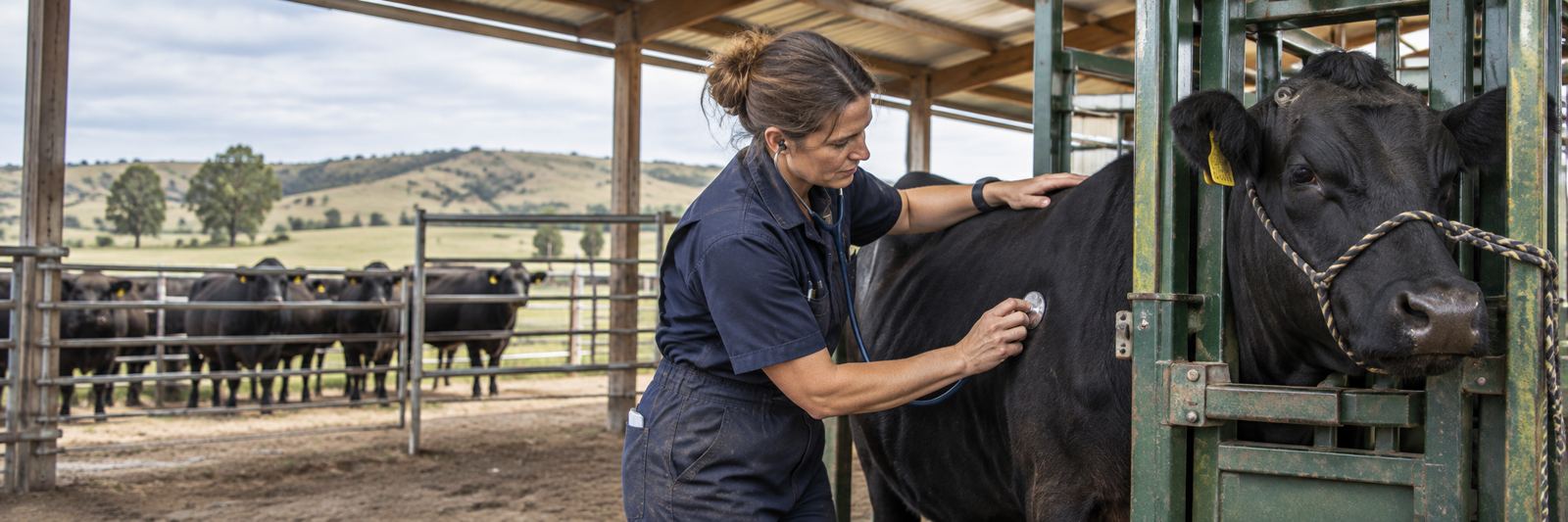
You can't take the stress out of weaning, but you can stack the deck before it happens. The calves that stay healthy are usually the ones vaccinated and boostered weeks ahead, weaned with as little drama as possible, already eating from a bunk, and kept in a clean, low-dust pen with someone checking them every morning. None of that is exciting. All of it works better than the medicine cabinet.
Weaning piles on every stressor a calf can face: she loses her mother, changes feed, gets handled, sometimes gets shipped, and meets new calves with new germs. Bovine respiratory disease (BRD) thrives on that. The Beef Cattle Research Council notes that risk usually comes from several factors combined, not one alone, so the fix is a combination as well.
Specific vaccines, antibiotics and protocols come from your veterinarian. This piece covers the management that makes their job easier.
Start 3 to 6 weeks before weaning day
The biggest lever is timing. The Beef Cattle Research Council's BRD page says weaning and vaccinating at least three weeks before shipping is beneficial, and four to six weeks is considered most valuable. Vaccines need time to build immunity, and a calf vaccinated on the truck gets mostly the cost, not the protection.
Get the vaccine program set early
Work out a program with your vet. For many herds that means respiratory vaccines before weaning, with a booster after the first dose. Booster timing depends on the product, and killed products in particular need a second dose. Modified-live versus killed vaccines explains why, and the pre-weaning checklist in the fall herd health checklist before weaning helps place it on the calendar.
Do the painful jobs early
Castrating, dehorning and branding right at weaning pile stress on top of stress. Doing them when calves are young, and well ahead of weaning, takes pressure off at the worst moment. Your vet can tell you which jobs make sense at which age on your place.
Teach calves to eat from a bunk
A calf that has never seen a feed bunk may stand and bawl beside it for two days while her immune system takes a beating. Offer feed in a bunk or trough before weaning if you can, and read teaching calves to eat from a bunk for the practical steps. Also teach them where the water is, because the tank is another thing they won't have seen.
Wean in a way that keeps them eating
Low-stress methods, such as fenceline weaning and two-stage weaning, help calves keep eating and can reduce the need for treatment, according to the Beef Cattle Research Council. In fenceline weaning, calves stay across a good fence from their mothers, so they can see and smell them but can't nurse. The calves usually walk the fence less and eat more. It won't silence the bawling, so warn the neighbors anyway and bring a casserole.
If you are comparing methods, when and how to wean calves covers the options and the age question.
- Use a strong fence. A cow who really wants her calf will test the fence. A calf pen that "usually holds" does not.
- Handle quietly. Sorting calves with yelling, hot shots and dogs adds stress. Low-stress cattle handling basics pays off here.
- Don't sort and re-sort. Keep groups together when you can, since commingling and moving animals around are known risk factors.
- Avoid weaning in bad weather. A cold, wet snap or a heat wave on weaning day raises the odds.
Feed and water the calves like it matters
Newly weaned calves often eat less for days. Aim for a palatable, balanced ration with good-quality hay and a supplement your nutritionist or extension agent suggests, and introduce high-energy feeds gradually. BCRC points out that BRD tends to rise when concentrates make up more than about half the diet or protein runs high, so don't swing from grass to a pile of grain overnight. Feeding calves at weaning breaks down the practical options.
A few simple habits:
- Keep fresh, clean water within easy reach and check it daily.
- Give enough bunk space so every calf can eat at once, not just the boss calf.
- Offer palatable hay along with the feed so they keep chewing.
- Test your hay if you can, because poor hay and poor protein show up quickly in a stressed calf.
- Don't let feed run out. A calf that goes hungry for a day is a calf with a weakened defense.
Give them a clean, dry, low-dust pen
Dust and poor air quality irritate the lungs, and crowding spreads germs. A good weaning pen has shelter from wind, good ventilation without drafts on young calves, clean dry bedding or ground, and room to move. Avoid a pen that was a mud hole last week or a bare lot that kicks up dust with every step. A light sprinkling of water on a dusty lot can help in dry country, and drainage matters in wet ones.
| Region | Common weaning-time risks | What helps |
|---|---|---|
| Southern Plains | Heat, dust, long hauls | Shade, water, handling in the cool of the morning |
| Gulf Coast and Southeast | Heat, humidity, mud | Drainage, airflow, clean pens |
| Northern Plains | Early cold snaps, wind | Windbreaks, dry bedding, good feed |
| West | Big temperature swings, dust, hauling distance | Shelter, water, careful timing of shipping |
Check them every day and act fast
Even a good program won't make BRD zero. Walk the calves every morning, watch for the quiet calf that stands apart, and take temperatures on any that look off. Fever and a drooped head mean the calf needs to be seen. What to look for is spelled out in bovine respiratory disease: early signs to watch. Early treatment matters because lung damage from advanced disease is often irreversible.
If you plan to sell calves with a health program attached, the economics of the 45-day idea are worth a look in preconditioning calves: is it worth the cost? A good program lowers the number of sick calves, and a sick calf costs you in medicine, labor, gain and sometimes the calf herself.
Quick answers
How long before weaning should calves be vaccinated?
Earlier than most people expect. A common target is several weeks ahead of weaning or shipping, with a booster if the product requires one. Ask your vet to set the dates for the products you use.
Is fenceline weaning really better?
It often helps, because calves keep eating and walk less. It needs a good fence and a bit of patience with the noise. Many ranchers find it worth both.
What is the most common mistake at weaning?
Doing everything at once: vaccinate, castrate, dehorn, ship and change feed in the same week. Spread the stress out and you'll usually see fewer sick calves.