Selling Calves Private Treaty to a Stocker Buyer
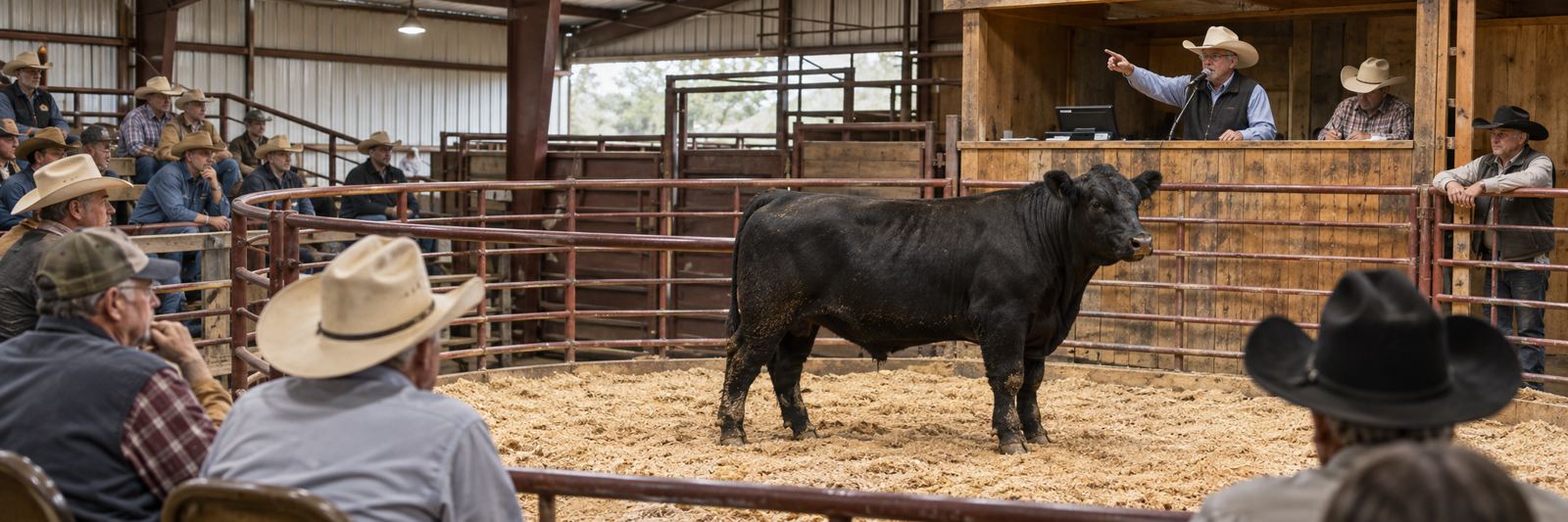
Private treaty just means you and a buyer agree on a price without an auctioneer in the middle. A stocker operator comes to the ranch, looks at the calves, you talk numbers, and either you shake hands or you don't. No commission, no yardage, no hauling to town, and nobody chanting at you.
It can be a very good way to sell, especially for calves that are weaned, vaccinated and well-handled. It can also go sideways when nobody wrote down what "about 550 pounds" meant. This piece covers how to find the right buyer, price the calves, set the terms and make sure the check clears.
Why sell private treaty
- No sale barn costs. You skip commission, yardage and the haul, though you may trade some of that for lost competition.
- Less stress on the calves. They stay home and load once, straight onto the buyer's truck.
- You choose the buyer. A stocker who's bought from you before already knows your calves and your word.
- You set the terms. Delivery date, weighing method, shrink and slide are all up for talk.
- Credit for your management. A buyer who knows how you handle calves may pay more than a crowd of strangers would.
The downside is just as plain. There's only one bidder at a time. If you don't know the market, you can leave money on the table without ever knowing it, and nobody at the sale barn is going to tell you about it later, because nobody's there.
Finding a stocker or backgrounder
Buyers of weaned calves usually run stocker or backgrounding programs: they grow calves on grass, wheat pasture or forage, or feed them for a few months before they go on to a feedyard. Where you find them depends on your region.
- Past buyers. If you've sold at a sale barn, ask the office which order buyers or stocker operators have bought your type of calf.
- Neighbors. Local stocker operations are often hungry for known, healthy calves from nearby, since the calves are used to the local climate and diseases.
- Extension and cattle associations. County agents and state cattlemen's groups know who's buying.
- Order buyers. They fill orders for stocker and feedyard customers and can often move a load quickly.
In the Southern Plains, wheat pasture stockers are a major buyer, and timing follows the wheat. In the Northern Plains, buyers may be feedyards or backgrounders who want calves in the fall. In the Southeast, stockers often want lighter calves they can put on forage. In the West, buyers often line up around fall delivery off summer range. Your best buyer depends on where you live.
Setting a fair price
You can't negotiate well if you don't know what calves like yours are worth. Look at recent sales for similar weights, sex and quality at nearby markets and in USDA reports. The USDA Agricultural Marketing Service livestock market news page is a place to start, and using USDA market news reports to time sales shows how to read them for your own situation.
Then adjust for your cattle. Weaned, vaccinated, bunk-broke, polled steers in a uniform lot generally bring more than a bunch of unvaccinated bull calves of mixed colors. Heifers usually sell at a discount to steers, and unweaned calves usually bring less than weaned ones. Compare your calves to the report honestly, not to the best pen in it.
It also helps to know your own bottom line before the buyer pulls into the yard. Whether you're making money depends on what the calves cost to raise, which is why tracking your cost of production per calf matters before any negotiation.
The terms that need to be written down
This is where private treaty deals go bad. Both sides remember the conversation differently, and neither of them is lying. Write it down. A short one-page agreement signed by both of you beats a good memory every time.
- Number and description. How many head, steers or heifers, color, breed type, horned or polled, castrated and healed.
- Health program. Which vaccines, when, and whether the calves are weaned and for how long. Attach records if you have them.
- Price and unit. Dollars per hundredweight, or per head.
- Weight basis. Where and how the calves will be weighed, on whose scale, and with what shrink. If the weight isn't known when you set the price, use a slide. See price slides explained for feeder calf sellers, and the shrink and pencil shrink guide for how the numbers work.
- Delivery date and place. Who hauls, who pays freight, and what happens if the date slips.
- Payment. Amount, form (check, wire), and when. Many sellers want payment at or before loading.
- Paperwork. Brand inspection, health papers, and any state requirements, covered in brand inspection and paperwork when selling cattle.
Nebraska Extension points out that slides are routine in private treaty sales because the delivery weight usually isn't known when the price is agreed, which is explained in its publication on feeder cattle price slides.
Weigh day
Weigh day is where you earn or lose the deal. Decide ahead of time whether you'll weigh at your own scale, a certified public scale or the buyer's. A certified scale ticket is the cleanest, because neither of you owns it. Keep the calves penned and handled the same way for each weighing, because a calf that's had hay and water all morning weighs more than one that hasn't. Agree on the shrink in advance. Walk the buyer through the alley, show him the calves again, and don't be surprised when somebody discovers a defect at the scale. It happens about as often as a gate that latches on the first try.
Protecting yourself on payment
A stranger with a nice truck is still a stranger. Ask for references, call a few past sellers and check the buyer's reputation with your local sale barn or extension office. Get paid before the calves leave, or at least have a clear, written plan for how and when. A deposit at signing is common in forward deals. If a deal is big, have a lawyer or your lender look it over. Not exciting advice, but it's cheaper than a lawsuit.
When private treaty isn't the best fit
If you have a handful of calves, a sale barn or other options for marketing 10 to 30 calves may do better. If you don't know the market, you might compare more than one route, and selling calves at auction, private treaty or video lays them side by side.
Quick answers
Is it better to sell calves private treaty or at auction?
Neither always wins. Private treaty saves fees and hauling and lets you set terms, while auction gives you competitive bidding. If you know your market and have good calves, private treaty can pay well.
How do I find a stocker buyer for my calves?
Ask your sale barn, extension agent, neighbors and cattlemen's association who buys calves like yours. Order buyers can also connect you to stocker operations.
Do I need a written contract to sell calves private treaty?
You aren't always required to, but it's wise. Put the head count, description, price, weighing and shrink, delivery and payment on paper, signed by both sides.