Bloat in Cattle: Causes, Emergency Steps and Prevention
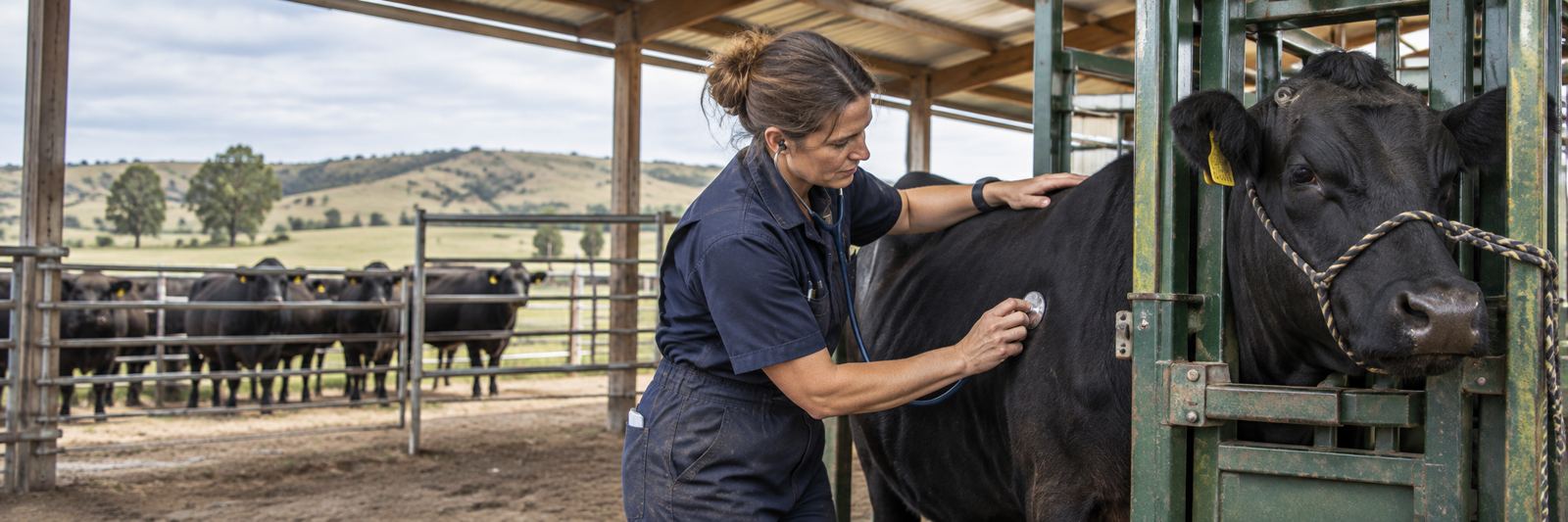
If you're reading this with a swollen animal standing in front of you, do three things first. Call your veterinarian and say the word "bloat" so they know to hurry. Get the animal off the pasture or feed that caused it. Then keep her on her feet and moving slowly, because a bloated cow that goes down and rolls onto her side is in serious danger.
Don't drench her. Pouring liquid down a bloated animal can send it into the lungs, and that finishes the job bloat started. The rest of this article covers what causes it, what an emergency looks like, and the plain, unglamorous prevention that keeps you from meeting this problem at two in the afternoon on a Sunday.
The cow's rumen is a fermentation vat, and a healthy cow releases the gas by belching all day long. Bloat happens when she can't. Gas builds up, the left side swells, and pressure on the lungs and heart can kill her.
Two kinds of bloat
Nebraska Extension's publication on bloat in beef cattle splits bloat into two types that matter on a ranch.
Pasture (frothy) bloat
Gas gets trapped in a stable foam, like the head on a beer, and blocks the belch. This is the pasture version, tied to lush legumes (alfalfa, ladino and white clover), wheat pasture, and some green-chopped forages. Cattle turned onto a legume stand when they're hungry, particularly in the morning with dew on the leaves, are the classic victims.
Feedlot (free gas) bloat
No froth, just free gas, often from high-grain rations, acidosis or rumen problems. It shows up in backgrounding pens and feedlots, and in any herd where cattle are suddenly moved up to a lot of grain.
Other causes
Sometimes the problem isn't the feed at all. A piece of apple or potato lodged in the esophagus, a vagal nerve problem, or a calf with an enlarged lymph node pressing on the throat can all block the belch. If the same animal bloats again and again, that's a clue to ask your vet about, and the Nebraska publication suggests removing chronic bloaters from the pasture. Think of it as a polite eviction.
Recognizing bloat early
- Swelling on the left side, behind the last rib and in front of the hip. This is the main sign
- Stomping, kicking at the belly and restlessness
- Labored, open-mouth breathing and extended neck
- Frequent urination and manure
- Reluctance to move, staggering, and collapse in advanced cases
The danger rises quickly. Frothy bloat on lush pasture can go from normal to dead in an hour or two. If you find a dead animal blown up like a drum, you've found the end of the problem, not the beginning, so check the rest of the herd right away.
Emergency steps
- Call the vet. If you're hours away from help, they can talk you through the steps by phone.
- Move the herd off the bloat source. That means stopping the hay, grain, or lush pasture, and moving everyone onto grass hay or a dry lot.
- Keep the animal up and walking slowly. Movement can stimulate belching. Don't chase or rope a bloated cow if you can help it. Stress and exertion make it worse.
- Do not drench. Nebraska Extension warns that liquid can be inhaled, which can cause death or pneumonia.
- Follow your vet's instructions about anti-foaming products. Anti-foam agents are commonly given by stomach tube. Giving them is a skilled job, because a tube in the windpipe is a disaster. Ask your vet in advance if you're expected to do it.
- Know what the vet may do. For severe cases a veterinarian may pass a stomach tube to release gas or, for frothy bloat that won't clear, make an opening into the rumen. The Nebraska publication describes tubing, needles, trocars and a last-resort incision, but those are emergency procedures that belong to a veterinarian or to someone already trained by one.
If you're not sure when a sick animal is an emergency, when to call the vet for a sick cow covers it. For bloat, the answer is almost always now.
Make a bloat plan before grazing season
Here's a good use of a slow afternoon. Ask your vet what the plan should be if you have a bloat emergency, who to call after hours, what anti-foam product to keep on hand, and whether you should have a stomach tube and be trained to use it. A vet who has already talked you through the plan will pick up the phone differently than one hearing about it for the first time.
Preventing pasture bloat
Prevention is a long list of small habits.
- Fill them up first. Never turn hungry cattle onto lush legume pasture. Give them dry grass hay for a while beforehand.
- Avoid dewy and wet forage. Move cattle onto the high-risk field after the dew has dried, mid-day or later.
- Watch the mix. The Nebraska publication suggests keeping legumes to no more than about half of the stand. Birdsfoot trefoil, sainfoin, cicer milkvetch, lespedeza and sweet clover carry lower bloat risk than alfalfa and ladino clover. If you're adding clover, overseeding clover into grass pasture can be done with bloat in mind.
- Use strip grazing or high stocking density. Cattle that can't pick only the lush tops have fewer chances to overeat on them.
- Be careful after frost, hail or drought. Damaged legumes can be a bloat risk. The same source suggests waiting several days after a freeze before grazing.
- Feed an anti-bloat product. Poloxalene, fed starting a few days before grazing and continued while cattle are on risky pasture, is effective against frothy pasture bloat. Follow the label and your vet's advice on delivery, because cattle have to actually eat it.
- Provide enough sodium. Mineral programs matter. Check bloat prevention on legume pastures for more on forage and mineral timing, and bloat in cattle on legume pasture for pasture management.
Preventing feedlot bloat
- Step up grain gradually, over weeks, not days.
- Include enough roughage, mixed well, with coarse chopped hay rather than powder.
- Avoid finely ground grain and heavy sorting at the bunk.
- Ask about ionophores, which can reduce bloat and overeating in high-grain rations. Ionophores for beef cattle gives the rundown. Never feed an ionophore labeled for cattle to horses, which can be fatal to them.
For stockers on wheat pasture, the bloat risk rises when forage is vegetative and rapidly growing. Stockers on wheat pasture has region-specific tips, and you'll want a plan before the first cold snap.
Regional notes
On the Southern Plains, wheat pasture is the big risk, especially in fall and winter when growth is lush and cattle are on it all day. In the Southeast and Northern Plains, clover and alfalfa pastures are the usual trouble, particularly after rain and in the spring flush. Dry-land western range seldom has the same problem, though irrigated pasture can.
Quick answers
How fast can bloat kill a cow?
Severe frothy bloat can kill in a matter of hours, sometimes less. That's why you call your vet the minute you see a swollen left side, not after you've watched her for a while.
Is it okay to walk a bloated cow?
Slow, gentle walking may help her belch, but don't chase her or run her through a chute. If she's down, call the vet immediately and don't try to drench her.
Can bloat happen on grass pasture?
It's much less common on pure grass, but it can happen. Cattle that gorge on a sudden flush after being hungry, or that have a throat obstruction, may bloat anywhere. Legumes and wheat pasture are the usual culprits.