Heat Stress in Beef Cattle: Prevention and Response
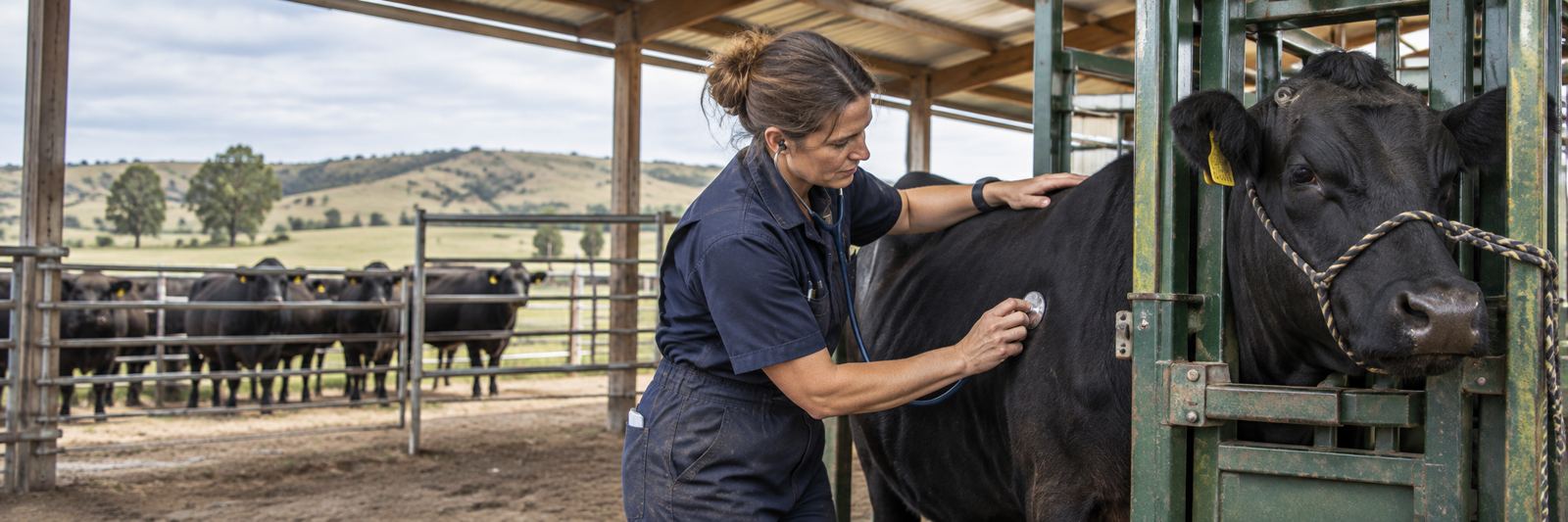
The cattle that get in trouble in a heat wave are rarely the ones standing in the shade looking sorry for themselves. They're the fat ones, the black ones, the ones you penned up Tuesday afternoon because it was the only day you had off. Heat stress sneaks up when the temperature, the humidity and the lack of a night breeze all line up.
Cattle shed heat by panting, sweating a little, and moving air over their bodies. When humidity is high and nights stay warm, they can't unload the heat they built up during the day, and the load stacks up. Water, shade, airflow and staying out of their way are the four things that matter. Everything else is detail.
Sometimes a herd under a big oak with its jaws slowly working looks like it is deep in thought. It's actually doing math on how to survive until dark. (If you want a gentler take on the quiet-cow look, this farm.FM piece about a cow's meditation retreat is a better use of ten minutes than watching the thermometer.)
What heat stress looks like
Early signs are easy to miss if you only drive by. Get out and look at the animals themselves.
- Faster breathing, with the flanks working
- Cattle bunching in the shade, crowding around the tank, or standing in the water
- Slobbering or foamy saliva
- Less grazing during the day and more of it after dark
- Standing instead of lying down
As it gets worse, the cow breathes with her mouth open and her tongue out, drools heavily, holds her head low and extended, and may stagger or go down. A body temperature well above the normal range is a red flag; taking a cow's temperature gives you a number, and knowing normal vital signs helps you judge it. An animal in distress needs help right now.
Who is at the greatest risk
Some cattle handle heat much worse than others, and it pays to know which ones they are before the weather turns.
- Heavy, finished or overconditioned animals. Fat insulates, and insulation is exactly what you don't want.
- Dark-coated cattle in full sun, especially in humid regions. Coat color and slick hair make a real difference in tolerance.
- Cattle with respiratory disease or a history of it, since their lungs are already working hard.
- Newly arrived or freshly worked animals that haven't adapted to the climate.
- Cows nursing calves in late lactation, and bulls during breeding season, which can also run into fertility trouble after hot spells.
- Animals on endophyte-infected fescue in the Southeast, which are less able to cool themselves.
Breed type matters too. Cattle with some Bos indicus influence, like Brahman crosses, generally cope better in heat and humidity than straight British breeds, and breeds for hot, humid climates covers the tradeoffs.
What to do when cattle are already stressed
If you see open-mouth breathing, drooling or an animal that's down, act in this order:
- Stop all work and movement. Don't push, load or sort them. Excitement makes it worse.
- Get them to shade and moving air. Walk them slowly, or leave an animal that's too weak to move where she is and bring the shade to her if you can.
- Offer plenty of cool water. Let them drink at their own speed. Don't force it.
- Cool with water on the body. A gentle spray or sprinkle on the animal helps, especially on the legs, belly and rump. Skip ice-cold blasts on a severely overheated animal and talk to your vet, because cooling should be steady rather than a shock.
- Call your veterinarian. A severely heat-stressed animal may need fluids and other treatment, and some cattle crash after they seem to recover. Pregnant cows can abort later.
Don't give oral medications or drench a panting animal. It's easy to put liquid into the lungs when she's breathing that hard.
Prevention that actually works
Water comes first
Cattle drink much more in hot weather, and a tank that's fine in April may run dry in July. Check the float, the line and the flow rate on the hottest afternoon, not the coolest morning. Get the numbers from how much water a beef cow drinks per day, and plan the tank using how to size a stock tank for your herd. Add a second tank if the herd crowds one, because dominant cows will guard it. Keep tanks clean, since algae and warm, stale water cut intake.
Shade and airflow
- Natural shade from trees is great, but cows will wreck the roots and the ground under them, so watch the mud and compaction.
- Constructed shade works best when it's tall enough for air to pass underneath, and it should run east to west in many setups so the shadow moves. Ask your extension agent about what works in your area.
- Open pens and lots with fences and sheds that block the breeze are a problem. If the only breeze is blocked, you've built an oven.
- In confinement or small lots, sprinklers or misters can help, as long as the humidity isn't so high that the water just makes the air soupier.
Timing and handling
Work cattle early in the morning, finish before it gets hot, and stay away from loading and long hauls in the heat of the day. The details are in handling cattle in hot weather safely. Keep alleys short and take your time. Cattle that get hot in a working chute might not show it until an hour later.
Feed and management
- Feeding in the evening shifts heat from digestion to the cooler hours.
- Keep cattle at a sensible body condition. Overfat cows run hotter.
- Control flies, since cattle bunch up to escape them and trap heat in the herd.
- Watch the forecast for the temperature-humidity combination, not just the high. Warm nights are the warning sign, since cattle can't recover without a cooldown.
Land-grant universities publish plenty of research and practical guides on this. Penn State Extension's page on heat stress and beef cattle is a clear starting point, and the Beef Quality Assurance heat stress resources collect more.
Regional notes
On the Gulf Coast and in the Southeast, humidity is the enemy, and warm nights matter as much as the afternoon high. On the Southern Plains, the heat is drier but long stretches over a hundred degrees, wind that stops, and a stock tank that vanishes into the dry air can cause trouble. The Northern Plains gets fewer hot days, but a sudden heat wave in June, before cattle have shed their winter coats, can catch herds unprepared. In the West, elevation helps, but long drives to water do not.
Quick answers
What temperature is too hot for cattle?
There isn't one magic number. Humidity, wind, coat, condition and whether nights cool off all matter, so a humid 90 can be worse than a dry 100. Watch the cattle, not just the thermometer.
Should I hose down cattle in the heat?
Often, yes, if the setup lets them cool off without standing in a mud hole. Wet the animal and let air move over her. If she's already in severe distress, call your vet and cool her steadily instead of shocking her.
Can heat stress affect breeding?
Yes. Heat can lower conception rates in cows and reduce sperm quality in bulls, sometimes with effects that show up weeks later. Ask your vet about a breeding soundness check if bulls had a rough heat wave before the season.