Livestock Risk Protection as a Marketing Tool
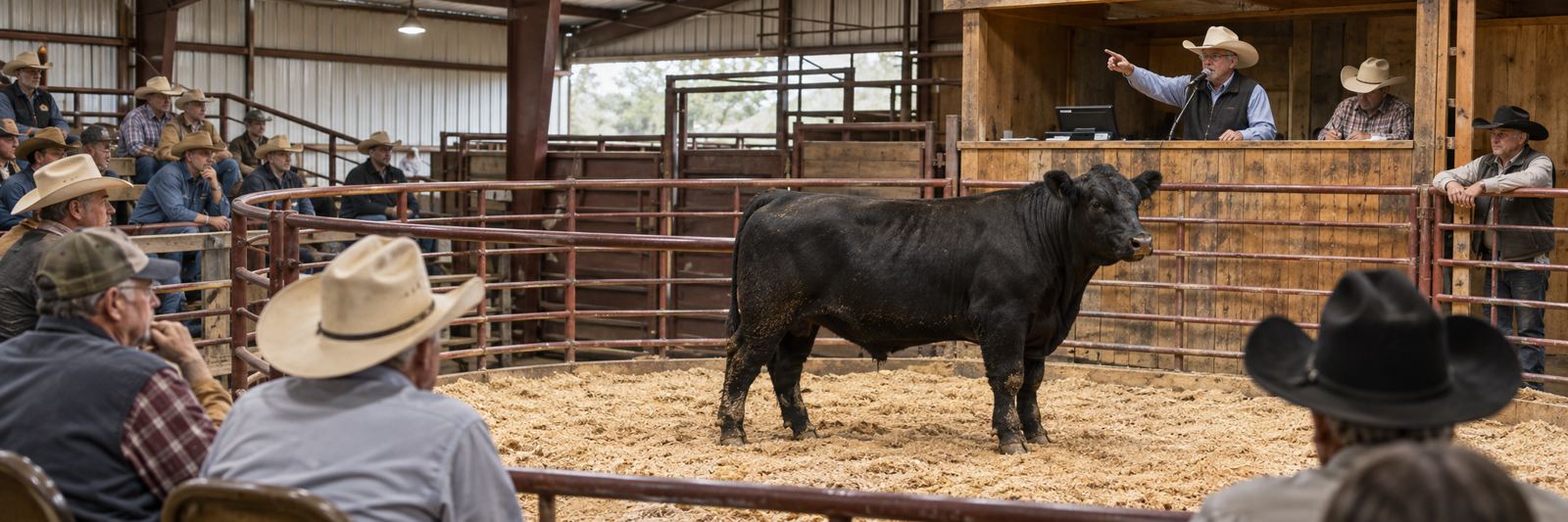
Livestock Risk Protection, or LRP, is federal price insurance for cattle. You pick a coverage price, a coverage period and a number of head, and if the market falls below your coverage price when the period ends, you're paid the difference. If the market holds up, you pay the premium and sell your calves at the higher price. It's a price floor with no brokerage account, no ticker tape and no one shouting into a phone.
That makes it one of the few risk tools that works for a rancher with thirty calves. Most others, like futures, were built for people who think in truckloads. LRP works in head counts a small herd can actually produce, and you buy it through an insurance agent, not a trading desk.
It isn't magic, and it isn't free. It protects against a falling market, not against a bad year, a sick herd or a calf crop that came in light. Think of it as a seat belt: you hope the trip is boring, and you're glad it's there if it isn't.
How LRP works
Extension materials describe LRP as setting a price floor, similar to a put option. Oklahoma State's overview of utilizing LRP for feeder cattle lays it out. Here are the pieces:
- Coverage price. The floor you choose, usually expressed as a percentage of the expected value.
- Endorsement length. The period the coverage runs. Extension sources describe lengths from about 13 to 52 weeks, and it should line up with when you plan to sell.
- Head count. You decide how many head to cover, within program limits.
- Target weight. LRP uses weight categories for feeder cattle, so you pick the one that matches the calves you expect to sell.
- Premium. Part of the cost is subsidized by the federal government. The subsidy share has changed over time, so ask an agent for current rates.
- Indemnity. If the ending value falls below your coverage price, you're paid the difference.
The ending value is based on a CME index, not on what your own calves bring at your own barn. South Dakota State University's page on LRP for cattle notes that the premium is owed at the end of the coverage period, rather than up front as it is with a purchased option. Exact rules change, so confirm current terms with a licensed agent before relying on any article, including this one.
Where LRP fits in a marketing plan
A marketing plan, at its simplest, answers three questions: what will it cost to produce my calves, what price do I need to be okay, and what do I do if the market falls below that price? LRP answers the third one. If you've already worked out your break-even, you can buy coverage near that number and know the worst case before the calves hit the trailer. Finding that number is covered in tracking your cost of production per calf.
It also pairs with other choices:
- Selling at weaning. Buy coverage ending near your sale date and sell at the barn as usual.
- Holding calves. If you're running stockers or retaining ownership, LRP can protect the price while you carry the risk of feed, interest and weather.
- Forward contracting. LRP lets you keep upside if prices rise, which a fixed forward contract doesn't. See forward contracting calves to compare.
For a wider look at the program and sign-up, the finance-side companion is Livestock Risk Protection insurance explained.
What LRP does not do
This part matters more than the sales pitch.
- It doesn't guarantee a profit. If your floor is below your cost, you can be protected and still lose money.
- It doesn't pay on your actual sale price. It pays on an index. If your local price drops more than the index, or less, the check can differ from your real loss. That's basis risk, covered in basis in cattle markets.
- It doesn't cover death loss or poor performance. It's price insurance only.
- It costs money every time. In years when the market holds, the premium is an expense with nothing to show for it. That's how insurance works, same as the fire policy on the hay barn you hope never to use.
- It requires timing. Coverage and premiums change daily, so the exact option you want may not be available the day you call.
The Oklahoma State fact sheet makes the same point from case studies: LRP is for protecting against losses, not for raising average returns, and in some years it won't pay at all.
Choosing coverage
Coverage level
Higher coverage costs more. Lower coverage costs less but leaves you exposed to a smaller drop. Many ranchers pick a level that sits near their break-even, then judge whether the premium is worth it. Think about what drop would actually hurt, and buy to that.
Timing
Match the endorsement to your sale. If you sell in October and your coverage ends in September, you're exposed for a month. If you buy coverage a year ahead for calves that aren't yet born, you're guessing at weights and dates. Buying closer to the sale gives you better information and sometimes better prices.
Weight and sex
Pick the weight category that fits your calves, and be honest about it. A mismatch between your calves and your policy is a quiet way to lose protection.
Steps to get started
- Work out your break-even per hundredweight.
- Decide when you plan to sell and how many head.
- Call a licensed crop insurance agent who writes LRP and ask for current coverage options and premiums.
- Compare two or three coverage levels and endorsement lengths.
- Check how your lender views the coverage, since some lenders like it as collateral protection.
- Keep records of the policy, the head count and your sale.
Regional note: producers in states with tele-auctions and strong video sales may find LRP pairs well with forward contracting, while those in remote Western country or the Gulf Coast might see more basis difference between the index and local cash prices. Ask your agent and your extension office what has happened locally in past years.
This is general education, not insurance or financial advice. Your agent, lender and land-grant extension specialist can tell you what fits your herd.
Quick answers
How many calves do I need to buy LRP?
Not many. The program is designed so small herds can participate, with no large minimum, though maximums and rules apply. A licensed agent can tell you the current limits.
Does LRP pay if I don't sell my calves?
Payment is based on the index value at the end of the coverage period, not on whether you sold. That's why it works for ranchers who hold calves, but you still need to meet the policy's ownership and reporting rules.
Is LRP worth the premium?
Sometimes. It makes the most sense when a price drop would really hurt, such as when you're carrying heavy debt or cost per calf is close to the market. If you can absorb a drop, you may prefer to self-insure.