Selling Bred Heifers and Replacement Females
A bred heifer is worth more than her feeder-heifer cousin because she's already shown she can get pregnant, and she's one step closer to a calf. But she only brings that premium if the buyer believes the story. Pregnancy status, breeding dates, sire, vaccinations and health records are the story.
If you're selling replacement females, you're not selling a hide and a number on a scale. You're selling a promise that she'll calve without drama and raise a calf. Buyers pay for confidence, and confidence is mostly paperwork.
Here's how to price, prepare and place heifers, whether you're moving six or sixty.
First decide whether selling is the plan
Raising heifers to sell as bred females is a separate business from selling steer and heifer calves at weaning. It ties up grass, feed and money for roughly a year after weaning, and you carry the risk that a heifer comes up open or has a hard calving before you ever collect.
Look at the options side by side before you commit:
- Sell heifer calves at weaning: Simple, quick money, no development cost. See heifers vs steers price differences at the sale barn for how they usually price.
- Develop and sell bred: More work and more risk, but potentially a better price if the heifers are good and the paperwork is clean.
- Develop and keep: The path covered in how to develop replacement heifers. Fewer cattle to sell, but your own herd improves.
If you've never raised heifers beyond weaning, start small. A pen of ten can teach you a great deal, mostly about how a heifer you were certain about can still find the one gap in your facility.
What buyers want to see
Buyers of replacement females aren't shopping for the cheapest animal. They want fewer surprises. The things that move price and trust are the same across most regions:
- Proven pregnancy: A veterinarian's pregnancy check, ideally with an estimated calving window.
- Known breeding method and sire: Natural service or AI, plus sire name and calving ease information if you have it. See calving ease EPDs for first-calf heifers for what buyers look for.
- Age and weight: A heifer bred at the right age and body size is a safer bet. South Dakota State University Extension notes that heifers should typically reach about 55 to 65 percent of mature body weight by breeding, and that the ones below about 55 percent are less likely to reach puberty on time.
- Health and vaccination records: Pre-breeding vaccines are typically given at least 30 days before breeding, per the same SDSU source. A written record with dates, products and who administered them beats a verbal "yeah, they've had their shots."
- Disease status: Brucellosis vaccination records matter for interstate moves and buyers' peace of mind, and some buyers will ask about other diseases. Check your state's current movement rules with your state veterinarian.
- Pelvic measurements and reproductive tract scores: Not required everywhere, but they show you did the homework. More in heifer pelvic measurements and reproductive tract scores.
The SDSU Extension article on getting replacement heifers ready to breed covers the technical side, and it's worth a read if you plan on selling more than one pen.
Ways to sell
Private treaty
Lowest overhead and best for building repeat buyers. You show the heifers, share the records and settle on a price. It's time-intensive and you need to be reachable. Mississippi State University Extension's guide to beef cattle seedstock marketing notes that private treaty is the best setting for building repeat customers and that it allows more room to negotiate on price.
Consignment sales and heifer programs
Many states and regions have special bred heifer sales, often run by an extension program or a cattlemen's group. Some are certified programs that set standards for health, pelvic measurements, sire selection and records before heifers can be consigned. Missouri's Show-Me-Select program is one example. Buyers trust the tag because someone else has already enforced the paperwork.
The tradeoff is rules and deadlines. You have to meet the standards, and some heifers that look great in the lot won't qualify. Think of it as a quality filter that works for you when you're in and against you when you're out.
Local auction or special sale at a barn
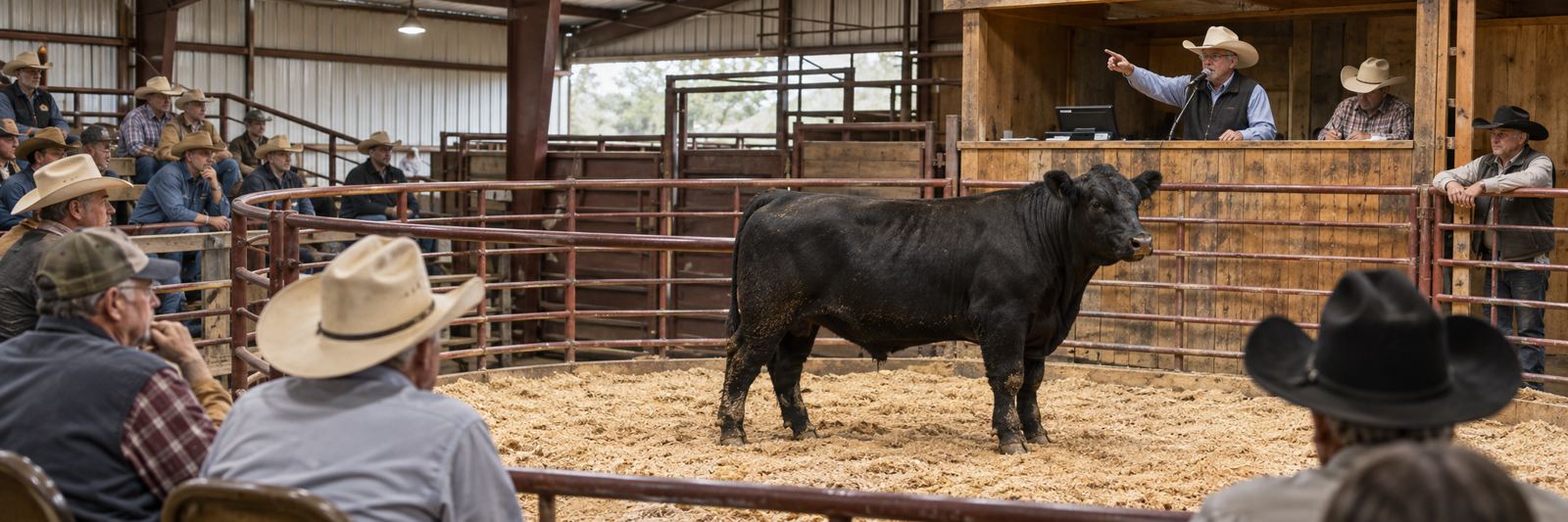
Works for smaller numbers, especially if your barn runs a replacement female sale. Ask the manager how they advertise, whether they'll announce the breeding and vaccination details from the ring, and what the fees are. Without your records read aloud, a bred heifer can be priced like a heifer that might be bred.
Video or online
Useful if your heifers are uniform and you can ship in a load lot. Does selling cattle online work goes into when it's worth it. Remember that buyers can't kick the tires, so photos, videos and records carry a lot of weight.
Pricing without guessing
Start from your own numbers, not the neighbor's gossip. Add up what the heifer cost you: her value at weaning, feed, pasture, vet work, breeding costs, interest and labor. Then compare to what similar bred heifers have been selling for locally in your area. If the market price barely covers the cost, selling bred heifers isn't a better deal than selling calves.
A few price influences you can control:
- Uniformity in size, age and breeding date. A pen that looks like they came from one program sells better than a mixed bag.
- Short, clear calving window. Buyers like heifers due in the same couple of weeks.
- Gentle disposition. A heifer who treats a gate like a personal challenge is not a premium product.
- Adaptation. Southern buyers may prefer heat-tolerant types, Northern buyers want cold-hardy cattle, and Southeast buyers worry about fescue. Sell to the region the heifers will actually live in when you can.
Guarantees and terms in writing
Decide in advance what you will stand behind and put it in writing. A common approach is a guarantee that the heifer is pregnant as represented, with a time limit and a remedy such as a replacement or refund. Be clear about what's not covered, like calving problems that arise from the sire the buyer chooses to breed or management after delivery.
Mississippi State's guide says plainly that sale terms should be spelled out so every party understands them before there's a dispute. A handshake is a lovely thing and a terrible contract. Check with your attorney if you're writing guarantees beyond a simple sale bill.
Delivery and follow-up
- Haul short distances when you can. Pregnant females can be sensitive to rough handling and heat, so avoid long hauls in hot weather.
- Give the buyer the health records and breeding information at delivery, not three weeks later.
- Check on the heifers after calving. A buyer who got a good heifer and a call from you is a buyer who comes back.
Heifers that arrive in decent condition calve better, and buyers notice. That's the payoff for good feeding of bred heifers, and it shows on delivery day.
Quick answers
How much more is a bred heifer worth than an open one?
The gap changes with the market, breeding method and region, so there's no safe single number. Compare local bred heifer sale results to open heifer prices and subtract your extra costs to see whether the spread pays.
Do I need to pregnancy check before selling?
Yes, and have a veterinarian do it if you can. A documented pregnancy with an estimated calving date makes the heifer easier to price and sell. Buyers will discount an unverified pregnancy.
Should I sell bred heifers or keep them?
If your herd needs replacements and your heifers are the kind you'd want in the herd, keeping them can beat the sale price. If your numbers show a strong premium for bred females, selling can pay. Ask your extension agent to help with a quick comparison.