Retained Placenta in Cows: Wait or Treat?
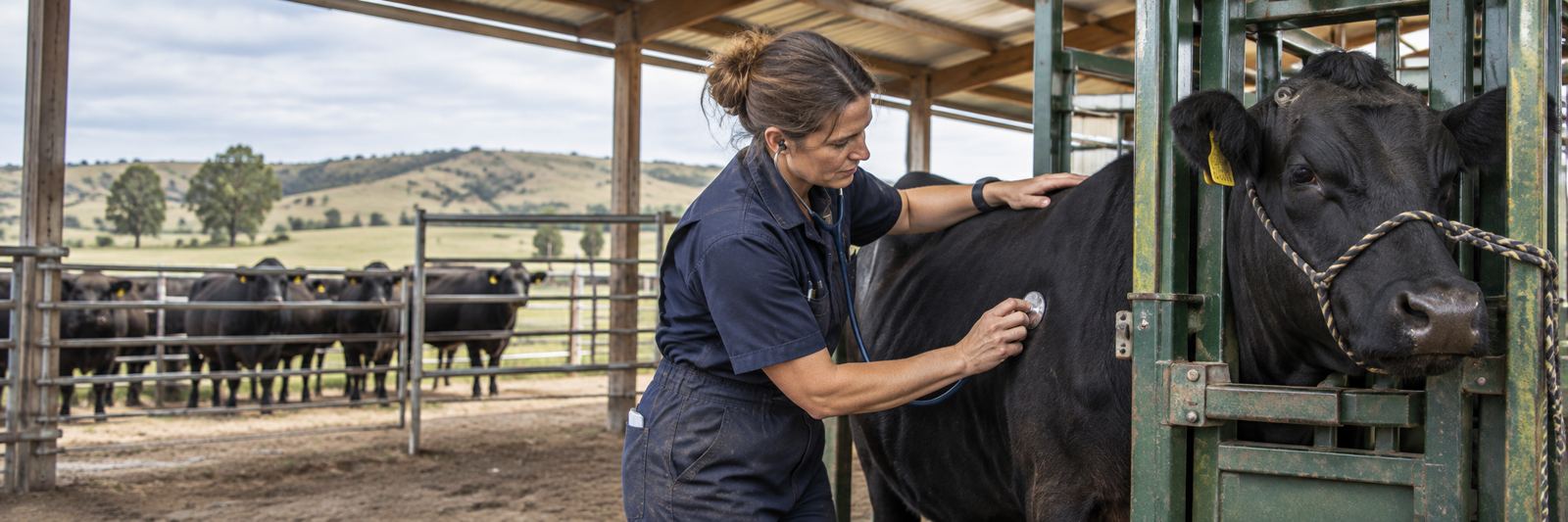
Most of the time, the answer is wait, and keep your hands out of it. A cow normally passes the afterbirth within hours of calving. When she doesn't, the instinct is to grab the dangling end and haul. Resist that. Iowa Beef Center guidance is blunt: don't pull on it, because manually removing it can damage the uterine lining, which can hurt future fertility and invite infection.
A retained placenta becomes a real concern when it hangs around for more than a couple of days, starts to smell, or the cow starts acting sick. Left alone, untreated cows commonly pass the membranes within roughly two to eleven days and recover without much fuss, according to the same source. So the decision is not really "wait or treat." It's "watch closely, and treat the cow if she gets sick."
The job for you is to know what counts as a problem, and when to bring in the vet. Everyone has a neighbor with a theory about this. Your neighbor is not the one who'll be paying for a cow that doesn't rebreed.
What counts as retained
The placenta is made of fetal membranes that attach to the cow's uterus during pregnancy. After the calf is born, those attachments release and the membranes drop out, typically within several hours. Veterinarians commonly call it retained when it hasn't passed after somewhere between 12 and 24 hours, though the exact cut-off varies by source.
You'll usually see a few strands or a long rope of dark tissue hanging from the vulva, sometimes dragging to the hocks. Some cows retain it entirely inside, and you'd never know without checking. It may also smell foul after a few days as the tissue starts to break down.
Why it happens
Several things raise the odds, and some are things you can influence:
- Mineral and vitamin shortfalls. Selenium and vitamin E are often discussed, and low calcium is another. A balanced program matters. Beef cow mineral program basics is a good place to start, and your vet can tell you about local deficiencies.
- Poor body condition. Thin cows and cows that are over-conditioned both have more trouble.
- Difficult or assisted births, twins and early calving. Anything that stresses the uterus can leave membranes behind.
- Abortions and infections. A retained placenta after an abortion is a red flag, since some causes of abortion are reportable. If it follows a lost pregnancy, call the vet and read up on brucellosis and vaccination rules.
- Stress and bad luck. Some cows just do it, and no one can say why.
What to do (and not do)
The wait-and-watch plan
- Leave the membranes alone. If long strands are dragging where manure or mud will contaminate them, you can tie a knot or trim the hanging part, but use only very light pressure. Don't tug.
- Take her temperature daily. A rise can be the first sign of trouble. Taking a cow's temperature explains how to do it and what the numbers mean.
- Watch her appetite and attitude. Is she eating, chewing cud and caring for her calf?
- Check her milk and her calf. A sick cow may drop in milk, and a hungry calf will tell you about it.
- Keep her in a clean place. A clean lot or pasture beats a muddy corral.
- Write it down. Record the date of calving and the cow's ID. Calving records that actually help make patterns easier to spot, like the same cow or the same bull's daughters.
What not to do
- Don't pull, twist or cut the membranes inside the cow.
- Don't flush the uterus or put pills, boluses or oil in there without a vet's direction. Well-meaning treatments can irritate tissue and delay healing.
- Don't give antibiotics just because the membranes are hanging. Unneeded antibiotics carry cost, resistance and withdrawal issues, which matter before any cow is sold. Withdrawal times for common treatments covers why.
When to call the vet
Call if the cow shows any of these:
- Fever
- Depression, standing apart, or not eating
- Foul-smelling, pus-like or bloody discharge
- A drop in milk and a calf that looks hungry
- Straining, or signs that she's uncomfortable
- The membranes still in place after several days, or any sign of trouble that you can't explain
A vet can decide whether she needs treatment, and what kind. The Iowa Beef Center piece notes some dairy research suggests about half of retained placentas progress to metritis, a uterine infection, and metritis can delay a cow's return to heat. Beef cows aren't dairy cows, but the point stands: an infected uterus is a problem to take seriously. If you're not sure what's normal and what's not, when to call the vet for a sick cow can help you decide.
What it means for rebreeding
Many cows pass the afterbirth, clean up and breed back on schedule. Cows that develop an infection can take longer to cycle, which hurts you in a tight calving window. If a cow with a retained placenta does get sick, plan to give her a little extra time and attention, and don't be shocked if she's late. Getting cows to breed back quickly goes into the nutrition and management side.
One cow with a retained placenta is bad luck. Several in one season is a pattern. If you're seeing more than a couple, talk to your vet about minerals, selenium status, abortion causes and your calving management. The Iowa Beef Center's article, Retained placenta? What to do (and not do), is a short, clear read to keep handy, and it encourages record keeping to catch such patterns early.
Last, a quiet word about patience. It's hard to stand at the fence and do nothing while a cow trails a placenta like a long string of bad news. Doing nothing, with good observation, is often the best treatment you can give.
Quick answers
How long can a cow keep her placenta?
It's usually considered retained after about 12 to 24 hours. Untreated cows often pass it within roughly two to eleven days, but any sign of illness means a vet call sooner.
Should I pull a retained placenta out?
No. Pulling can damage the lining of the uterus, which can lead to infection and affect future fertility. Leave it unless your vet tells you otherwise.
Do all cows with a retained placenta need antibiotics?
Not necessarily. Many untreated cows do fine, so your vet will base the decision on whether she has a fever or other signs of illness. Talk to the vet before giving anything.