Testing for BVD-PI: Why It Matters
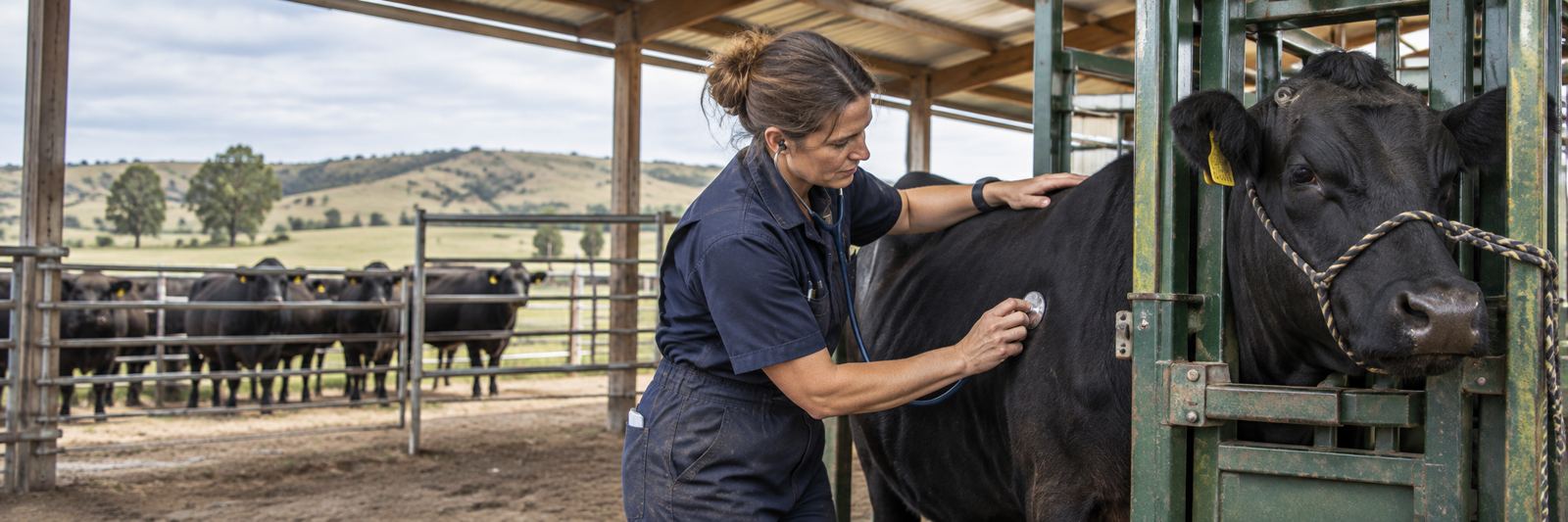
Some cattle problems announce themselves with a limp, a cough or a dead calf. BVD-PI doesn't. The animal at the center of it often looks fine, eats fine and may even grow into a decent-looking heifer, all while shedding virus onto every cow she meets.
The "PI" stands for persistently infected. These are calves that were infected with bovine viral diarrhea virus while still in the womb, before their immune system could learn to recognize it. They never clear the virus. They shed it for life, and a PI heifer's own calves will also be PI.
A cheap ear notch test finds them. Once you find one, you pull it out of the herd, and your next breeding season looks a lot better. That's the whole case for testing, and it's a short one.
How a PI calf is made
The sequence matters, because it explains why you can't spot the problem by looking at the cow.
- A pregnant cow, often in the first few months of gestation, is exposed to BVD virus. She might get a brief, mild illness. She might show nothing.
- The virus crosses to the calf in the womb during a critical window in early pregnancy.
- The calf's immune system accepts the virus as "self." It's born with the virus in every cell and sheds it constantly.
Oklahoma State's extension fact sheet on managing PI-BVDV in beef cattle points out that most dams who deliver PI calves test negative themselves, and only a small share of infected cows are PI. So you can't look at the mother, see a healthy cow and call it good. The calf is where the answer lives.
USDA's APHIS information brief on BVD adds that PI cattle shed large amounts of virus in nasal and oral secretions and feces, and notes that testing and vaccination are the key components of control, with culling PI cattle of utmost importance. It also reports that a national beef study found about one operation in fifteen had at least one PI calf. That's not a rare disease. It's a quiet one.
What PI animals cost you
BVD affects cow-calf herds mostly through reproduction. The APHIS brief describes decreased fertility, abortions and congenital malformations as the most important effects in cow-calf herds. A PI calf also tends to be a poor performer, though some grow well enough to be kept. That's the trap: the heifer who looks good and goes into the replacement pen is the one who can seed the next generation of PI calves.
There's also the neighbor angle. If a PI animal is in a pasture adjacent to someone else's bred cows, that fence line is a problem for both of you. That's one reason the topic belongs in any small ranch biosecurity plan.
How the test works
The standard approach is an ear notch sample. It's quick, it's cheap compared with a lost calf crop and it can be done at calf processing.
- A small piece of ear tissue is collected with a notcher made for the purpose. Many ranchers do it while tagging calves.
- The sample goes into a labeled tube or card, following your lab's instructions. Some labs want a fresh sample kept cool, others a preserved one.
- The notcher looks like a hole punch built for a very small, very unhappy office. Clean or disinfect it between animals. A sloppy sample can give a false positive.
- Results come back from the diagnostic lab, usually within days.
Blood tests exist too, but for calves in a normal cow-calf setting, the ear notch is the common choice. Ask your vet which lab and which method makes sense for you. Labs differ in what sample they accept and how they report it.
A positive is not the end of the story
One positive result can mean a PI animal. It can also mean a calf with a temporary, passing infection. APHIS notes that a calf that tests positive again at least three weeks later is considered PI. That retest step keeps you from culling a healthy calf, and it keeps you from keeping a PI calf because "he only tested positive once."
While you wait on the retest, move the positive calf away from the herd, and especially away from pregnant cows. Waiting a few weeks with a PI calf in the middle of your bred females is the sort of decision you make once.
Who to test, and when
It depends on your herd. Some general guidelines, to run past your vet:
| Situation | Testing approach |
|---|---|
| Whole calf crop, before breeding season | Ear notch every calf; if one is PI, test its dam |
| Purchased open heifers, bulls, orphans | Test during quarantine, before they meet the herd |
| Purchased bred females | Keep separate until calving, then test the calf |
| Replacement heifers you raised | Test before they enter the breeding pen |
| Herd with unexplained abortions or poor conception | Talk to your vet about a herd-level workup |
The Oklahoma State sheet recommends testing animals entering the breeding herd, isolating new arrivals for 30 days, and removing PI calves before breeding females are exposed to bulls or AI. You'll find the timing for new arrivals in how to quarantine new cattle, which pairs naturally with this one.
What to do with a PI animal
This is the part nobody enjoys. Don't sell a PI animal to another rancher, and don't turn it out with your cattle. The Oklahoma State guidance lists the options as shipping directly to slaughter, finishing in a quarantine facility away from other cattle, or euthanasia. Which of those is legal and practical depends on your state and your situation, so talk with your vet and, if needed, your state veterinarian's office before you load anything.
Also test the dam of any confirmed PI calf. A PI cow will always have PI calves, so one confirmed case can hide a bigger problem.
Vaccination and the rest of the plan
Testing finds the PI animals you have. Vaccination helps protect the cows you want to keep from producing new ones. APHIS notes that vaccination can reduce the risk of PI calves, that modified-live vaccines generally give better, longer-lasting immunity but some can cause abortions in pregnant cows, and that labels need checking. If you're weighing the two vaccine types, modified-live versus killed vaccines explains the trade-offs. Timing, product and booster schedule are a veterinarian's call, especially for bred cows.
Add a few habits on top. Keep fence-line contact with unknown cattle to a minimum. Think twice before taking cattle to a show or sale and bringing them back. Keep records of every test, so that three years from now you know which animals were negative and when. For that, basic ranch record keeping helps more than a good memory ever will.
Quick answers
When is the best time to ear notch calves for BVD-PI?
Many ranchers do it at calf processing, when the calves are already in the chute and getting tagged. Ask your vet to help set the timing so you have results before breeding exposes new cows.
Can a PI calf be treated or cured?
No. A true PI animal carries the virus for life, and there's no treatment that clears it. The only effective response is removing it from the herd under your vet's guidance.
Does vaccination mean I can skip testing?
Not really. Vaccination lowers the odds of producing PI calves, but it doesn't remove the PI animals you already have or the ones you might buy. Testing and vaccination work together.