Sick Cow Behavior: Subtle Signs Cattle Hide
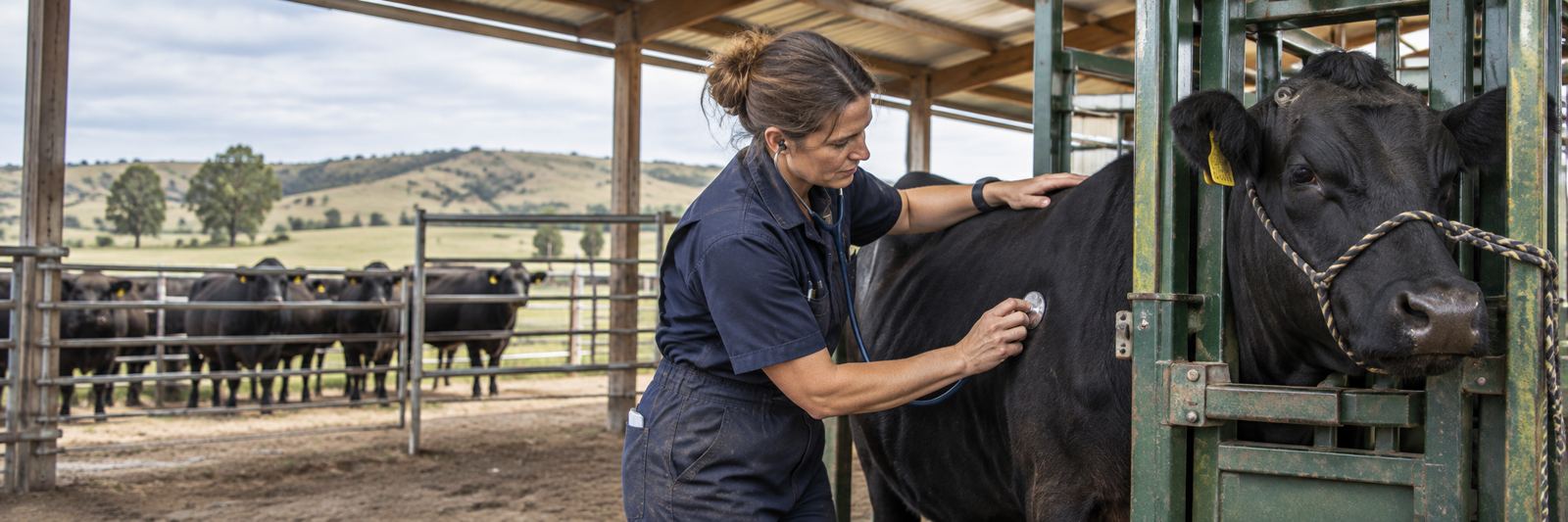
A cow that's obviously sick has been sick for a while. By the time she's down, scouring, or standing with her head hung to her knees, the disease got a head start. Cattle are prey animals, and prey animals that look weak get picked off. So they've evolved to act normal as long as they possibly can.
That means the skill isn't spotting a cow that looks terrible. It's spotting the one who looks slightly off. She's a half-step behind the herd, last to the feed, or standing in the wrong spot. Ranchers who are good at this seldom have a special trick. They just know what normal looks like for every cow, and they look at the herd every day.
The cow that's about to cost you money will usually give you a hint three days earlier. The hint is that she didn't do something she normally does, and you were the only one who noticed.
Start with the herd as a whole
Before you study one cow, stand back and watch the group for a minute or two. The easiest sick animal to spot is the one that doesn't match the rest.
- Who's out of position? A cow standing apart, in a corner, or in the shade while everyone else is grazing is worth a second look.
- Who's last? A cow that trails the herd to the feed truck, or doesn't come at all, has a reason.
- Who's not eating? Count the heads at the bunk or bale. Missing cows may be the ones that need you.
- Who's not chewing cud? A healthy cow resting usually has her jaws working. A resting cow with a still mouth may be in trouble.
Do this at the same time every day, from the same spot, so your eye learns the baseline.
Subtle signs, one by one
Posture and movement
- Head held low, ears drooped, or neck extended
- A hunched back or tucked-up belly, which can point to pain or a gut problem
- Standing stretched out, or shifting weight from foot to foot
- Reluctance to move, short strides, or favoring a leg; a quick field guide to cattle lameness helps you locate the problem
- Lying down more than normal, or having trouble getting up
Appetite and rumen signs
- Eating slowly, picking at feed, or backing off the bunk
- A hollow left flank, which can mean she hasn't eaten
- A swollen left side, which could be bloat and needs immediate attention; see bloat in cattle: causes, emergency steps and prevention
- No cud chewing, or manure that changes in amount or consistency
Eyes, nose and breathing
- Dull or sunken eyes, discharge, or squinting
- A dry nose or a runny one, especially with a cough
- Faster or deeper breathing, belly breathing, or extended neck while breathing
- Cough, which is especially important in newly weaned or just-hauled calves. Check bovine respiratory disease: early signs to watch
Coat and condition
- A rough, dull hair coat out of season
- Losing weight while eating the same feed, which could point to parasites, bad teeth or a chronic infection
- Rubbing or scratching, which can mean lice, mites or skin trouble
Social behavior and mood
- A cow that normally comes to the feed and doesn't
- A cow that stays away from the herd, or a calf that isn't following its mother
- Calves that don't nurse, or look gaunt and hollow-flanked
- A usually calm cow that's aggressive, or a usually pushy one that's quiet. Either change can mean pain.
If a cow looks a little off, nine times out of ten your neighbor will tell you she's fine. The tenth time, he'll be standing next to you at the vet clinic saying he had a feeling.
When a quiet cow becomes a vital-signs check
If a cow looks off, don't just stare at her. Gather facts you can pass to your vet. A thermometer is the cheapest tool you own.
- Take her temperature. Normal for an adult is a little above 101 degrees Fahrenheit, and a reading well above that suggests fever. Taking a cow's temperature and what the numbers mean covers how to do it and how to read it. Remember that hot weather and recent exertion can raise it too.
- Count breaths and check heart rate. Cattle vital signs every rancher should know gives you the normal ranges.
- Look at gums and eyes. Pale or yellowish tissue points to blood or liver trouble, and anaplasmosis in some regions.
- Check rumen fill and manure. Is she eating, is she passing manure, and what does it look like?
- Check udder, feet and navel. Mastitis, foot rot and navel infections are common causes of a quiet animal.
- Write it down. Time, temperature, signs and who she's been with.
Move calmly. A stressed animal tends to hide signs until she's back in the pasture, and a sick cow run through a squeeze chute in a hurry may get worse. Low-stress cattle handling basics helps keep her calm and keeps you safe.
When to call the vet
Call sooner rather than later if you see any of the following:
- A fever, especially with other signs
- Labored breathing, open-mouth breathing, or blue-gray gums
- A swollen left side, or a cow that's bloated
- A cow that's down and can't get up, or a calf that won't nurse
- More than one sick animal in the same group
- No improvement within a day or so, or a rapid decline
If you're unsure, a phone call is free or cheap and gives you a professional opinion. When to call the vet for a sick cow goes through this decision in more detail. Don't start treating on your own with leftover antibiotics from the shelf. The wrong drug at the wrong time costs more than it saves, and some products carry legal and withdrawal restrictions.
For disease background and reporting information, the USDA Animal and Plant Health Inspection Service maintains pages on cattle health: APHIS cattle health. Your vet is the one who can tell you which diseases are circulating locally.
Habits that make you better at it
- Look every day. Feeding time is the easiest time, since most animals come to you.
- Know your cows. Take the time to learn who's the leader, who's the one that's always last, and who has a bad foot from last winter.
- Keep a notebook. A record of what's normal and what you changed helps spot patterns.
- Watch calves closely. They go downhill faster than adults, so a quiet calf deserves attention right away.
- Trust your gut. If a cow looks wrong but you can't say why, treat that as information.
Ranchers sometimes say the cow talks if you're willing to listen. She just does it with her posture, her ears, and the way she approaches the bunk. And, of course, she never says anything at a convenient hour.
Quick answers
Why do cattle hide signs of illness?
They're prey animals, and showing weakness makes them a target in the wild. That instinct lingers in domestic cattle, so many show obvious signs only once an illness is well along.
What is the earliest sign a cow is sick?
Often it's a change in routine: eating less, hanging back from the herd, or not chewing cud. Subtle changes in posture and attitude can come before fever or other classic signs.
How high a temperature means a cow is sick?
A reading well above the normal range, roughly 103 degrees Fahrenheit or more in an adult, usually points to fever, though heat and excitement can push it up. Recheck her after she's calm and talk to your vet if the number stays high.