Branded Beef Programs and What They Mean for Calf Sellers
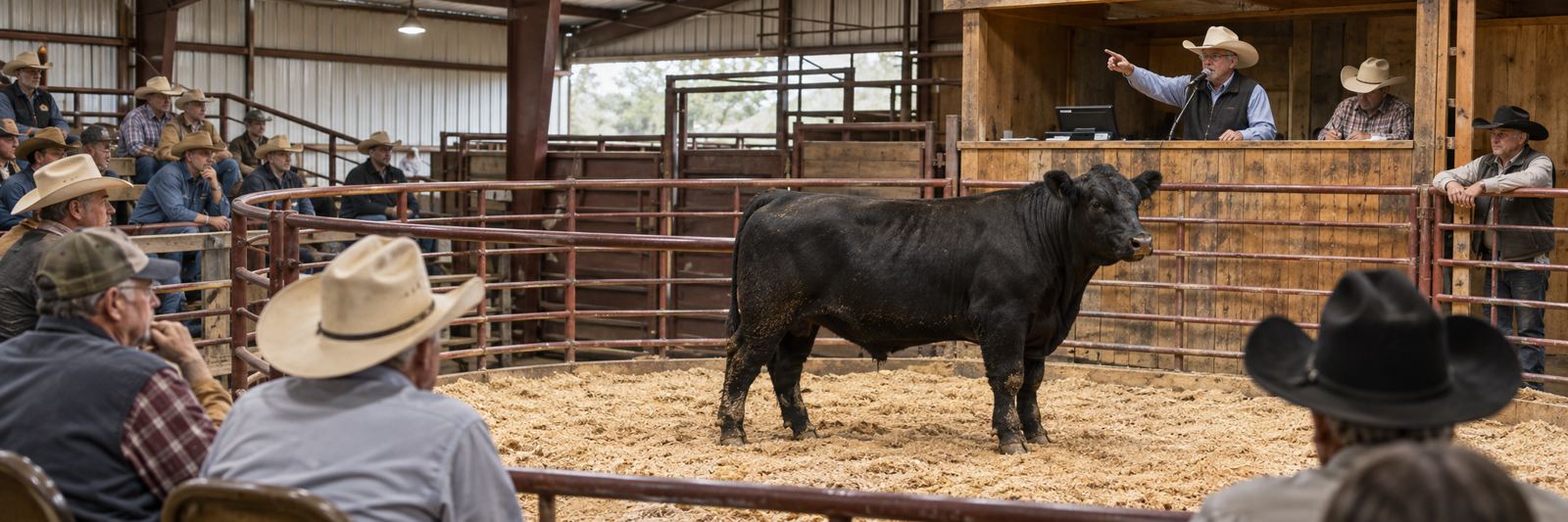
You probably won't ever see a branded beef label attached to one of your calves. By the time the beef is in a package with a logo, your steer has been through a stocker, a feedlot and a packing plant, and you've been paid and gone home. But the brand still reaches back to your pasture, because the rules it sets for the carcass become the rules your calf is bought under.
That's the whole story in one line: branded programs don't pay calf sellers directly, they change what buyers will pay for. Knowing which traits they care about can move your genetics, your herd plan and your sale options.
What a branded beef program is
A branded program is a set of specifications that a company or breed association uses to qualify beef for a label. Some are about the live animal, some about the carcass and some about how the cattle were raised. The oldest and biggest example is the Angus-based program. Certified Angus Beef was the first program of its kind to earn USDA certification, which covers traits that can be judged from the live animal or the carcass. The brand's own page, why Certified Angus Beef, lists ten standards. Cattle must be Angus-influenced with a predominantly solid black coat, and the beef must meet marbling, maturity and ribeye-size limits.
Other breed associations run their own programs. The Red Angus version, spelled out in USDA's Red Angus live-animal specification, requires traceable ancestry and a color pattern, and excludes cattle showing dairy traits or a Brahman hump. Other brands are tied to a packer, a retailer or a region, and they have their own rules.
How a brand ends up affecting your calf price
Feeders chase the premium
A feedlot that can hit a program's carcass targets gets paid more for those cattle. So the feeder shopping for calves wants the ones most likely to qualify. That means he'll pay up for calves that look like they came from Angus-influenced, well-bred, well-fed parents, and he'll quietly shave the bid for cattle that look like a risk.
The live-animal screen is a shortcut
Color, ear, hump and frame stand in for carcass potential, since nobody can grade a live calf. That's the engine behind the black hide premium (do black hided calves really bring more money) and the Brahman discount (Brahman influence and price discounts at auction). The brand has a rule, the feeder follows it, and you get the bill or the bonus.
Carcass quality is the real target
Marbling is the usual barrier. A trade-press look at the brand's qualification rates points out that a black hide is just the first hurdle, and that marbling is the most common reason black-hided cattle miss the cut. For a cow-calf producer, that means carcass genetics matter even though you'll never see the carcass.
Ways a cow-calf rancher can benefit
- Breed with carcass in mind. Look at marbling and carcass EPDs and the selection indexes explained in understanding selection indexes like $B and $M. Balance them against calving ease, fertility and cow size, because a cow that doesn't breed back doesn't produce a calf to sell, no matter how well the carcass would have graded.
- Document your cattle. If you can show age, source, health and genetics, you can sell to buyers who want program-eligible calves. See source and age verification programs for calves for what the paperwork looks like.
- Sell into an alliance or a pooled program. These connect small herds to feeders and packers that run branded programs. Marketing alliances explained goes into how.
- Retain ownership. If you keep calves through the feedlot and sell on a grid, you capture carcass premiums directly, and you take the risk too. Should you retain ownership of your calves is the next stop if that's tempting.
- Collect carcass data. Partners in a program often send results back. That tells you what your genetics really do, and it's more honest than a sale barn color chart.
It's a strange bit of ranching economics. The final customer never meets your cows, the packer never meets your calves and you never meet the steak. Yet all three of you are in the same long argument about marbling.
When branded programs are not worth chasing
If you run Brahman-cross cows in the Gulf Coast heat because they hold up where British cattle struggle, rebuilding the herd to meet a color spec is a long and expensive road. A cow herd that's adapted, fertile and cheap to run beats a pretty herd that's broke. In the Southeast, fescue and heat can limit what's practical. Out West, big range cows built for rough country may not fit a tight spec. On the Northern Plains, Angus-based herds already match many programs, so the question is more about marbling and weaning protocol than color.
The other limit is scale. Many programs want truckload lots. If you sell 20 calves, your road in is a pooled sale or a nearby feeder you know. A small seller who tries to fit every program ends up with no program at all.
And a cow herd rebuilt from scratch to chase a spec is a long, expensive way to find out the spec changed halfway through your second calf crop.
Questions to ask before you commit
| Ask this | Why it matters |
|---|---|
| What are the live-animal specs? | Color, frame and breed rules decide whether your calves fit. |
| Is the premium paid to me or the feeder? | Many premiums stop at the feedlot. |
| Is it written in the sale agreement? | A verbal premium vanishes in a bad market. |
| What records and tags are required? | Paperwork has a real cost. |
| What management changes are needed? | Weaning and health rules cost money. |
| Does a failed carcass cost me? | Some arrangements dock sellers for misses. |
Mistakes to avoid
- Selecting bulls for one trait and paying for it in calving problems. A bull whose calves grade well but arrive big is a bad trade for a first-calf heifer.
- Assuming a brand means a premium at the sale barn. It usually doesn't, unless a buyer is specifically looking for those cattle.
- Buying a "program" that charges more in fees than it returns.
- Skipping the cow side. The brand's specs show up in the carcass, but they start with the mama.
- Forgetting that a label on a package is not a contract with you.
Quick answers
Do branded beef programs pay cow-calf producers directly?
Mostly not. The program pays the feeder or packer, and the demand it creates shows up in what buyers bid for your calves. Alliances and retained-ownership deals can pass more of it back to you.
Do I need Angus cattle to benefit?
For the biggest Angus-based brand, yes, because Angus influence and a mostly solid black coat are part of the live-animal screen. Other programs and alliances accept different breeds, so ask the buyer what they need.
How can I tell if my calves would qualify?
Look at the program's published specs and compare color, breed and frame. Then ask a feeder or alliance manager. Carcass data from a past load tells you more than any guess.