Does Preconditioning Calves Pay at the Sale Barn
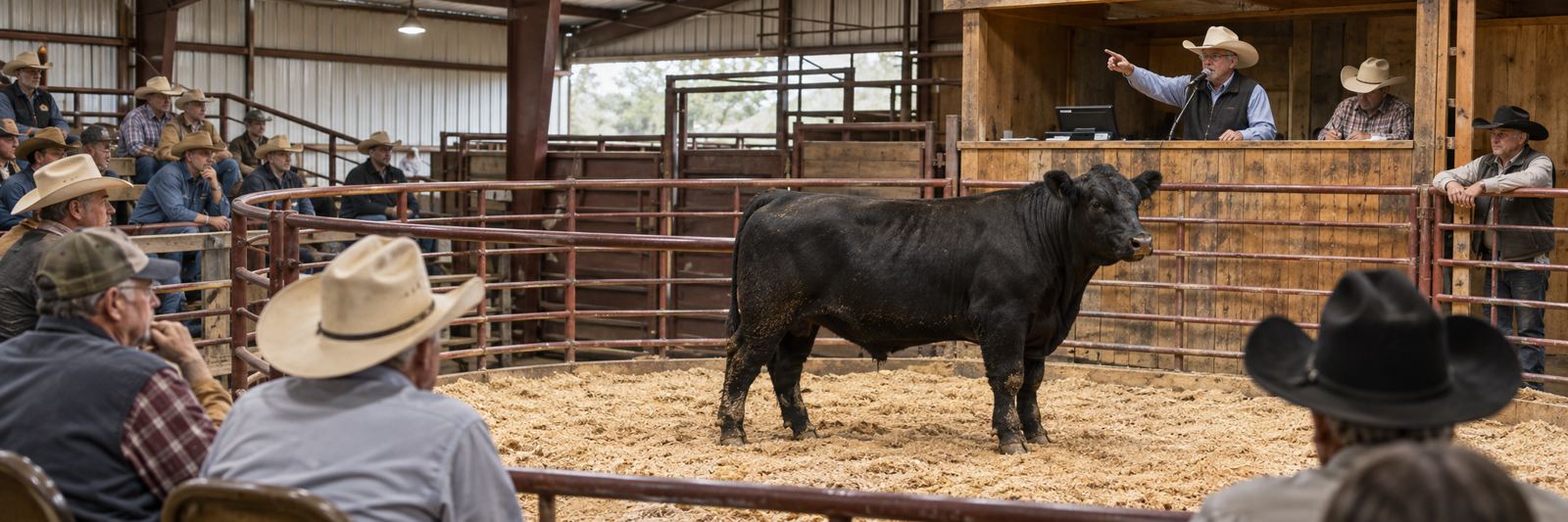
Short answer: sometimes, and usually not from the premium alone. A weaned, vaccinated, bunk-broke calf often brings a few dollars more per hundredweight than an unweaned one off the cow. Whether that covers what you spent getting him there depends on your costs, your sale timing and how much sickness you dodged along the way.
The calves that get sold with a little extra effort behind them are not magic. They just show up at the other end of the trip already past the worst of weaning stress, and buyers like not having to find that out the hard way. Here's how to figure out if the effort pays on your place.
What "preconditioned" means
There's no single definition, which is part of the problem. The usual idea is a set of practices that get a calf ready for the stress of sale, shipping and a new feedyard or stocker program. A typical program includes vaccinations before weaning and again at weaning, a minimum number of days weaned (often 45), time learning to eat from a bunk and drink from a tank, castration and dehorning healed, and sometimes deworming. The Oklahoma State University Extension fact sheet on the economic value of preconditioning feeder calves uses VAC-45 as its example. The specifics of that and similar programs are in VAC 45 and other value-added calf programs.
What it costs
Budget for each of these, even the ones that don't send you an invoice:
- Vaccines and health products. Two rounds of respiratory and clostridial vaccines, plus syringes, needles and the vet's help if you need it.
- Feed and hay for the weaning period. This is usually the biggest line. Calves need a ration they'll actually eat.
- Labor. Extra trips through the chute and daily feeding, plus several nights of listening to weaned calves tell the whole county about it.
- Facilities and equipment. A secure weaning pen, bunks, clean water, and maybe more fence.
- Death loss and treatment. Some calves still get sick, even with a good program.
- Interest. The money tied up in calves you could have sold already.
The OSU fact sheet puts the cost of common programs at around $60 per head, noting that it depends on ration, calf health and program length. Feed and labor costs have moved a lot over time, so plug in your own numbers rather than trusting any one figure.
What the premium actually looks like
Market data in that fact sheet showed that premiums for preconditioned calves averaged a few dollars per hundredweight, with a feedlot manager survey estimating higher values than the sale barn actually paid. The takeaway the authors drew is worth quoting plainly: preconditioning programs can be profitable for cow-calf producers, but not from the premium price alone. That tracks with what most extension economists say. A premium of a few dollars a hundredweight on a 550-pound calf is a modest sum, and it can vanish into feed and labor before you've finished counting. The cake bill has a way of arriving faster than the premium does.
So where does the money come from? Mostly from four places.
1. Added weight sold in a stronger season
If you hold calves 45 to 60 days past weaning, they gain weight, and in many regions the seasonal market improves after the peak of the fall run. Heavier calves bring a lower price per hundredweight, but the extra pounds usually still add up. Whether it pays depends on how cheaply you can put on gain. For a closer look, read when to sell calves, at weaning or later.
2. Discounts you avoid
Buyers discount cattle that look like trouble. OSU Extension lists discounts for intact bull calves versus steers and for horned cattle versus polled or dehorned ones, and notes that calves that look sick sell far below healthy ones. Getting calves castrated, healed and sorted before the sale avoids those hits. See castration and dehorning timing and sale price and why uniform lots bring more money per hundredweight.
3. Fewer sick calves
Respiratory disease is the big expense in newly weaned calves, and it hurts the buyer first and the seller's reputation second. The practices in how to reduce BRD in newly weaned calves protect your calves whether or not anyone pays you a premium. If you're holding the calves yourself, every case you prevent is money you keep.
4. Reputation
Buyers remember who sends calves that stay healthy and do what the paperwork says. The fact sheet suggests that building a reputation for program integrity may help producers capture more value, because buyers sometimes doubt that programs are followed. A buyer who has seen your calves perform will bid on the next set with more confidence, and it won't always show up as a line item on a check.
A simple way to check your own numbers
- List every cost of the program per head, from vaccine to labor to interest.
- Estimate the extra weight you'll add and what it's likely to sell for after the price slide on heavier cattle.
- Add the premium you expect from the program, using local market reports or what your sale barn tells you.
- Add the discounts you expect to avoid, such as bulls left intact or horned calves.
- Subtract your estimated death loss and treatment costs.
- Compare the total to what you'd have gotten selling at weaning.
If the total is close, think about the risk too. A program that earns you a few dollars on paper but costs you three sleepless nights in the first rain isn't a bargain.
When it tends to pay, and when it doesn't
| Tends to pay | Tends not to pay |
|---|---|
| You have cheap feed or grazing for the weaned calves | Feed is expensive and the barn isn't paying for the program |
| Calves are steers or castrated, polled, and uniform | Mixed, horned, unvaccinated calves you won't fix |
| You can hold calves into a stronger seasonal market | You must sell at weaning to pay a note |
| Local buyers know and pay for your program | No premium in your area for preconditioned calves |
| Good pens, bunks, and water already in place | You'd have to build everything |
Regionally, premiums are easier to find where stocker and feedyard buyers are close and know the programs, as in much of the Southern Plains. In some areas the barn doesn't promote programs, and you may need a video sale or a private buyer to see any reward. Check what your local market actually pays before assuming it does. A good starting point is the herd health view of preconditioning, which looks at the same question from the vaccination side.
Quick answers
How much more do preconditioned calves bring?
Premiums vary by market, season and program, and are often a few dollars per hundredweight. Check recent sales at your own barn and with buyers you trust.
How long should calves be weaned before the sale?
Many value-added programs require at least 45 days, and some suggest 60. Follow the program's rules if you want its premium, and ask your vet about the vaccine timing.
Is preconditioning worth it for a small herd?
It can be, since your own calves also get healthier. But small lots usually bring lower prices than large uniform ones, so consider pooling calves with neighbors to get more value from the effort.