Marketing Alliances Explained for Calf Producers
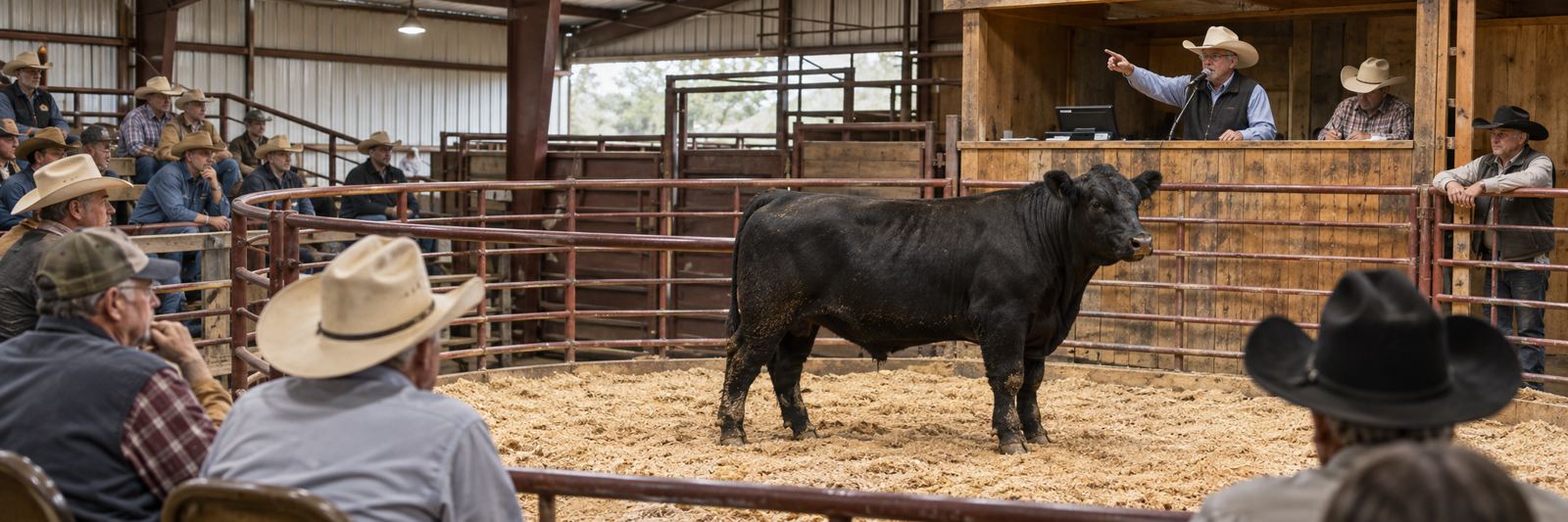
A marketing alliance is a club with rules. Members agree to raise calves a certain way, and in exchange the group sells those calves in big, matching lots to buyers who'll pay more for them. If it sounds a little like a church potluck, it is: everybody brings the same dish, and it only works if nobody shows up with a casserole of surprises.
For a small herd, an alliance can be the way into truckload pricing and buyers you'd never reach alone. It can also be a lot of rules for a premium that disappears after costs. The trick is knowing which kind you're looking at before you sign.
What an alliance does
Oklahoma State extension describes beef alliances in its fact sheet update on beef industry alliances as cooperative arrangements where independent businesses at neighboring stages of the beef chain agree to share information and coordinate how cattle and beef move. For a cow-calf producer, that usually means being linked to feeders and a packer. Some are equity-based and need a real investment up front. Others are non-equity and charge a per-head fee. Many give back carcass data, which is worth something all by itself for anyone choosing bulls.
A simpler, local version is the pooled-calf group, where neighbors follow the same management rules and sell together. A University of Tennessee extension publication on cooperative marketing of feeder cattle describes how groups range from informal handshake deals to formal organizations with written rules and a board. A marketing agency can pool, sort, grade and sell the cattle for a commission, or members can do the work and split the costs.
What members typically have to do
Requirements differ, but the common ones tend to include:
- Genetics: sometimes a minimum percentage of a certain breed, or bulls that meet EPD standards.
- A defined breeding season, often no longer than about three months, so calves are the same age.
- Health protocols: a set vaccination program for cows and calves, parasite and fly control, and treatment records.
- Calf management: bulls castrated and healed, calves dehorned, weaned and bunk-broke for a set period before shipping, and identified with tags.
- Verification: age or source records, sometimes with electronic ID. See source and age verification programs for calves.
- Natural or other special programs: optional in some alliances, with stricter rules. Natural and Never Ever calf programs goes into the trade-offs.
The Tennessee publication gives one regional example of what its member calves must meet: castrated, dehorned, double-vaccinated, dewormed, weaned and bunk-broke at least 45 days before shipping, with health records submitted ahead of the sale. It also says sold calves in that program averaged around nine and a half percent above the state's weekly auction average over a long run of sales, a premium that topped ten dollars per hundredweight in most of them. It adds a fair warning: those premiums don't count the cost of preconditioning, weight gain or market swings during the extra time you hold the calves. The same system ties in with value-added programs like VAC 45 and other value-added calf programs.
Do small herds fit?
Sometimes. Oklahoma State notes that some alliances have no minimum size, while others require a truckload of single-sex cattle, which can mean around a hundred cows or more. Many smaller operations get shut out by size rules. That's why pooled groups matter: if you can't fill a truck, your neighbors might. How small herds can pool calves to fill a truckload covers that route, and marketing 10 to 30 calves has other options for the very small.
Regionally, the picture changes. Southeastern states have active tele-auction and graded-sale systems that function as alliance-like pools. In the Southern Plains, buyers who run stocker and wheat-pasture programs often form relationships with groups of ranchers. Northern Plains herds tend to be larger, so alliances may require larger lots. Western ranchers are more likely to use video sales and may find alliance packer links less relevant. Ask around locally, because the right group might be a county away.
Alliance meetings, like any meeting involving ranchers, tend to run twice as long as scheduled and end with a heated discussion about the coffee.
Benefits worth wanting
- Bigger, more uniform lots, which attract more bidders.
- Lower trucking cost per head, since the load is full.
- A group reputation that can bring repeat buyers.
- Shared knowledge, from vaccination timing to bull selection.
- Carcass or performance data coming back to you.
Costs and cautions
Both extension sources are clear that a premium is not the same as profit. Better genetics, tighter records, preconditioning and timing changes cost money, and reported premiums are not always figured the same way. Some alliances have merged, changed or disbanded. Equity alliances can need a much larger buy-in. And a pooled group has a built-in group risk: if one member ships a sick or mismatched pen, the buyer remembers the whole group.
| Question | Good sign | Warning sign |
|---|---|---|
| Premium | Documented over many sales | Based on one good load |
| Costs | Clear fee schedule | Surprise charges later |
| Rules | Written, with defined penalties | Vague or unevenly enforced |
| Buyers | Repeat buyers who know the group | New buyer every time |
| Exit | You can leave without penalty | Long lock-in |
How to evaluate one
- Ask for past sale results, and compare them with local sale-barn prices on the same dates and weights.
- Ask what happens to a calf that fails the rules. Is it rejected, discounted or sold elsewhere?
- Add up your extra cost per head: tags, vaccines, weaning feed, labor, fees and hauling.
- Talk to a current member who has no stake in recruiting you. The one with the longest face usually has the most useful opinion.
- Try it on a small group of calves first.
Mistakes to avoid
- Joining for the premium and skipping the cost math.
- Ignoring the rules and showing up with calves that fail them.
- Treating the group as someone else's problem. In a pool, your calves are everyone's reputation.
- Forgetting that alliances come and go. Keep another marketing option open.
Quick answers
How much do alliances pay over regular sales?
Reported premiums vary. Oklahoma State cites averages of a few tens of dollars per head, and a Tennessee group showed a roughly ten percent premium over the weekly state average. Neither counts all your added costs, so figure your own net.
Can I join an alliance with 20 calves?
Some groups have no minimum, and pooled local groups exist precisely for small herds. Large alliances that need a truckload from each member may not work, so ask before you spend time on it.
What is the difference between an alliance and a pool?
An alliance often links producers with feeders and packers and may have genetic or carcass targets. A pool is usually a local group combining calves into full loads under shared management rules.