Build a Simple Marketing Plan for Your Cow-Calf Herd
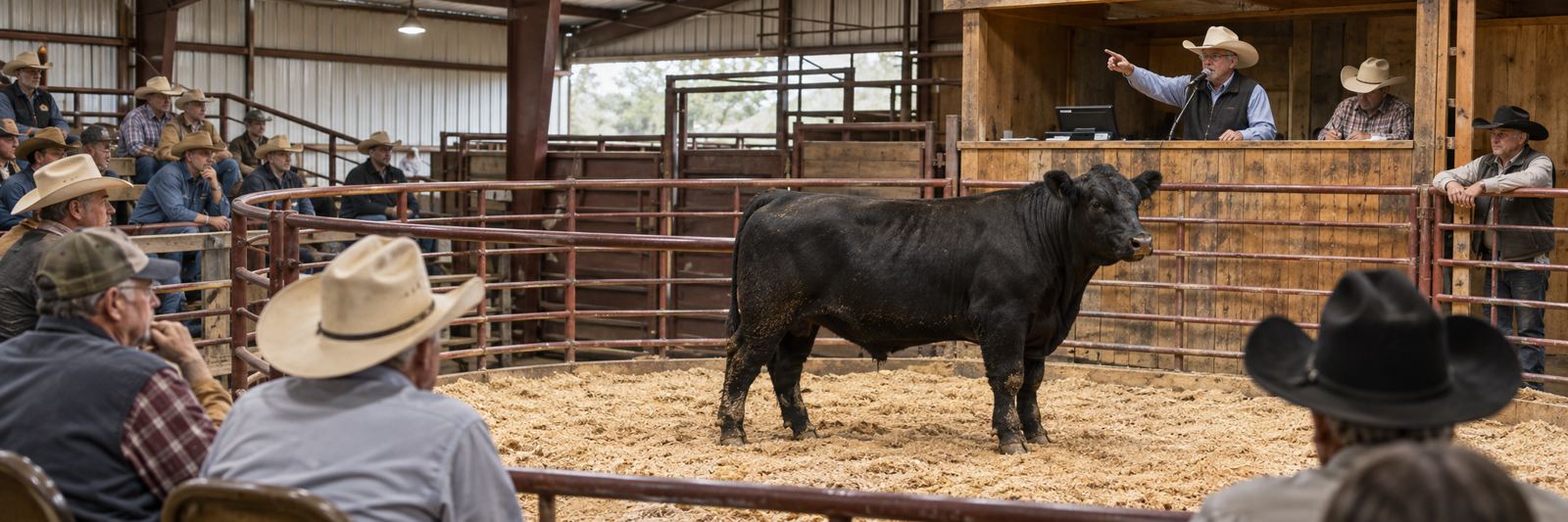
Most cow-calf marketing plans are a trailer, a sale barn and a prayer. That works, in the sense that the calves get sold. It doesn't work in the sense that you get paid for the things you did right.
A real marketing plan fits on one page and answers three questions: when will you sell, where will you sell, and what will you do about price risk. Add a line for who does what, and a spot to write down how it went. That's it. No consultant required.
The plan matters most for people who haven't written one, because the sale barn will happily take whatever shows up on whatever day shows up. Here's how to build one in an evening, with coffee and a calculator.
Step 1: Know your cost of production
You can't market well if you don't know what a weaned calf costs you. Add up feed, hay, pasture, minerals, vet work, labor, interest, depreciation and the share of the year's cow costs that goes to each calf. Divide by the number of calves you sell, not the number of cows you started with. The gap between those two is where open cows and dead calves hide.
If this feels like a long evening, it is. Tracking your cost of production per calf walks through it. You'll end up with a breakeven price that tells you which offers to take and which to ignore.
Step 2: Pick your selling window
South Dakota State University Extension's discussion of preparing for the fall run lays out the central choice: sell at weaning, precondition and sell, or background. Each has trade-offs.
| Window | Good fit | Main risk |
|---|---|---|
| Sell at weaning | Limited feed, facilities or labor | Fall price pressure, and you give up the gain you could have added |
| Precondition (often about 45 days weaned, vaccinated) | Decent feed, pens and a vet you trust | Sickness, death loss and extra feed cost |
| Background or graze to heavier weights | Cheap feed or grass, and the management to handle it | Price change while you're holding, plus more cash tied up |
| Retain ownership through a feedlot | Capital, a good lender relationship and appetite for risk | Big swings in feed and fed cattle prices |
For the decision itself, when to sell calves: weaning time or hold them longer goes deeper. And if you're tempted by the feedlot route, read should you retain ownership of your calves first.
Step 3: Choose your channels
Pick a primary way to sell and a backup. Common choices include the local sale barn, a video auction, private treaty to a stocker or feeder buyer, a graded or board sale, a forward contract, or a value-added program with a premium for health and age verification.
Whatever you choose, ask the buyer or barn what they pay for and what they dock for. How to sell calves at auction, private treaty or video compares the main routes. If you have a small number, marketing 10 to 30 calves has options that fit.
Whichever you choose, call the people early. Sale barn managers and order buyers plan their weeks from the calls they get. A rancher who calls in advance with a clear description of the calves gets treated differently from one who just shows up.
Step 4: Decide how you'll handle price risk
You don't control the market, but you can decide how much of the risk you're willing to carry. The options range from doing nothing to locking a price through a forward contract or buying price protection like Livestock Risk Protection. None is free, and none is right for every herd.
- If your cash flow can't survive a bad fall, talk to your lender about what protection makes sense.
- If you're tempted to use futures, read understanding cattle futures for small ranchers before you call a broker.
- Look at Livestock Risk Protection as a marketing tool as a way to set a floor price.
- Consider forward contracting calves for part of the crop, not all of it.
Selling all your calves at one time on one day with no price protection is a plan, technically. It's the same kind of plan as driving through a snowstorm with the radio off.
Step 5: Build a calendar
This is the part people skip, and it's where plans live or die. Work backward from the day you want to sell.
- About 90 days before: Decide on the selling window and channel. Check your cost of production against recent prices in USDA market news reports for your region.
- About 60 days before: Talk to your vet about vaccination timing. Call the barn, buyer or program to learn requirements and deadlines.
- About 45 days before: If you're preconditioning, wean and start feeding. Check feed supplies against what the calves will actually eat.
- The week of the sale: Line up the truck, paperwork and records. Sort the calves into uniform groups.
- After the sale: Compare what you got to your cost and your plan. Write one paragraph about what to change.
Regions vary. In the Northern Plains, the fall run sets the schedule, and calves leave at a specific time. In the Southern Plains, wheat pasture demand shapes the window. In the Southeast, graded sales and board sales run on fixed dates. In the Gulf Coast and much of the South, fall-calving herds sell on a different cycle than spring-calving herds. Fit the calendar to where you live.
Step 6: Keep a record and review it
A plan you never look at again is a drawer liner. After each sale, write down the date, the price, weights, shrink, fees, trucking, and what you'd do differently. Over a few years, you'll see what actually works on your ranch.
Keep it plain. Nobody needs a mission statement for a set of weaned calves. If you want business ambition set to verse, farm.FM has Barn Becomes Startup Incubator, a piece of Texas cowboy poetry, but your plan only has to fit on one page and survive a muddy truck seat.
A one-page template
- Cost of production per calf and target breakeven price.
- Selling window and why you chose it.
- Primary and backup channel.
- Price protection approach, with dollar amounts.
- Calendar with dates and who does what.
- Review notes after sale.
Quick answers
What should a cattle marketing plan include?
Your cost of production, your selling window, your chosen channels, your approach to price risk and a calendar. Add a review step after each sale so the plan improves over time.
How far ahead should I plan to sell calves?
Start about three months before your target sale date. That gives you time to arrange vaccinations, weaning, buyer contacts and any program paperwork.
Do small herds need a marketing plan?
Yes, though it can be short. Small herds benefit from knowing their breakeven price and having a backup channel, since they have fewer calves to spread the risk.