Understanding Cattle Futures for Small Ranchers
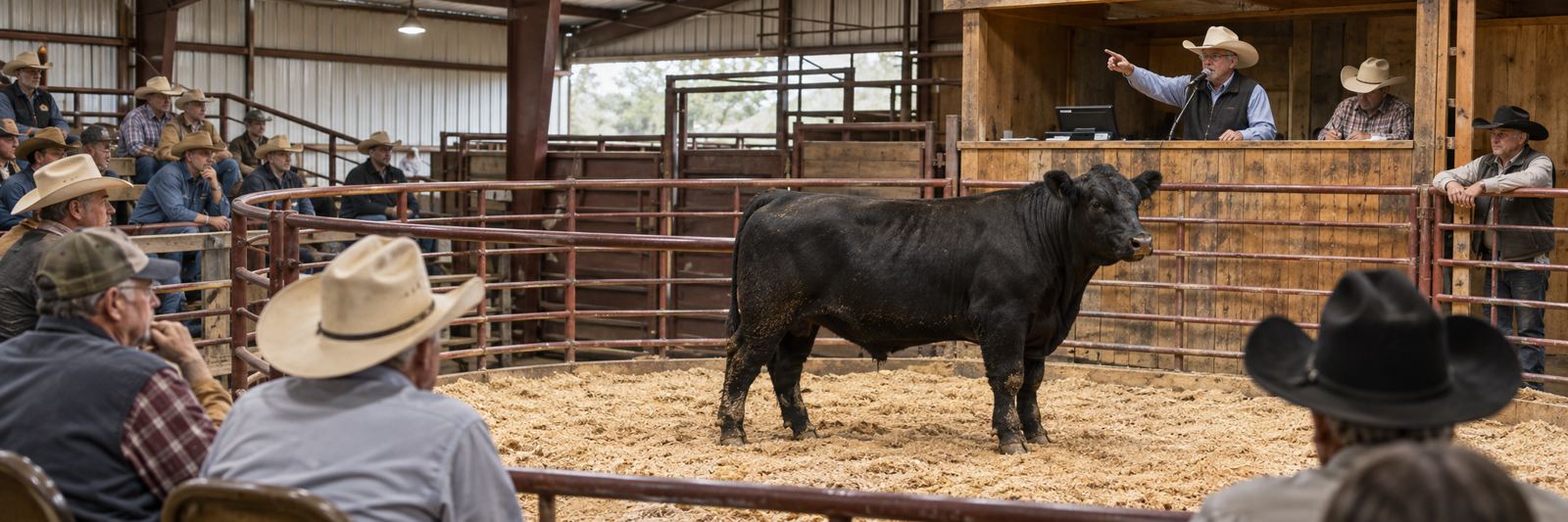
Cattle futures sound like something that happens in a glass tower to people who've never smelled a pen. They're actually a fairly simple idea: a contract to buy or sell a set amount of cattle at a set price on a future date. The price traded today is the market's best guess about what cattle will be worth later, and that guess is what cow-calf producers watch to decide when to sell.
Most small ranchers will never trade a futures contract. The contracts are big, they require a brokerage account and a margin deposit, and they can go against you faster than a heifer going through a gap in the fence. But you don't have to trade them to benefit from understanding them. Futures prices drive what feedlots and stocker buyers bid for your calves, whether you ever log into a trading platform or not.
Plenty of people outside agriculture get commodity markets tangled up with something else entirely, which is the joke behind this farm.FM piece about a politician who promises to fix hay prices and mistakes it for Bitcoin. A cattle future is a lot more ordinary than that, and a lot less likely to be minted out of thin air.
The two contracts that matter
CME Group runs two cattle futures that most ranchers hear about. According to the CME's live cattle and feeder cattle product overview, the feeder cattle contract covers 50,000 pounds of steers and is financially settled against the CME Feeder Cattle Index, which draws on USDA-reported auction sales. The live cattle contract covers 40,000 pounds of finished steers and heifers and is settled by physical delivery.
- Feeder cattle futures track the price of lighter cattle headed to the feedlot. They're the one that's closest to what a cow-calf producer sells.
- Live cattle futures track the price of finished cattle ready for harvest. They matter to you because feedlots work backward from that price to decide what they can pay for calves.
A quick note on the feeder contract: it's built around a particular type of cattle, mostly steers in a medium to heavy feeder weight range. Your 480-pound heifer calf isn't what the contract is made of, and that gap between the contract and your calves is where basis comes in. Basis in cattle markets explains that difference in more detail.
How hedging works in one paragraph
A rancher who wants to lock in a price sells a feeder cattle futures contract, which is called a short hedge. If cattle prices fall, the futures position makes money and offsets the lower price he gets at the sale barn. If prices rise, the futures position loses money and offsets the higher price at the barn. The result is a price that's close to what he locked in, give or take basis. It protects against a drop and gives up the gain from a rally.
That's the whole idea, and it's also the point where small producers hit a wall.
Why small herds struggle with futures
Contract size
One feeder cattle contract is 50,000 pounds. That's about 66 head at 750 pounds or around 90 head at 550. If you wean 35 calves, there's no clean way to hedge them with a single contract. You'd either be over-hedged, which is speculating, or under-hedged and leaving risk on the table.
Margin calls
When futures move against your position, your broker asks you to put up more money, and fast. A rancher who's hedging calves worth money in the future could suddenly owe cash today. A margin call shows up like a vet bill: sooner than you planned and in an amount that makes you sit down. If your operating loan is already stretched, that's a real problem, and it's worth talking to your lender before you open an account. Getting a cattle operating loan shows what lenders look for.
Basis and timing
Your calves aren't what the contract is based on, and your sale date doesn't line up with an expiration date. That leftover difference, the basis risk, is manageable but not zero.
Simpler tools that fit small herds
If a futures account isn't practical, there are other ways to use the same information.
- Watch futures as a price signal. Even if you never trade, the feeder futures price plus your usual basis gives you a decent estimate of what calves will bring. Checking it a few times a week is free.
- Use Livestock Risk Protection. LRP is federal insurance that sets a price floor and works at herd sizes of just a few head. See LRP as a marketing tool and the broader explanation in Livestock Risk Protection insurance explained.
- Forward contract with a buyer. A local order buyer or video sale can set a price in advance. The pros and cons are in forward contracting calves.
- Sell at weaning or hold. Not every marketing plan needs a financial instrument. Sometimes the right move is picking a week with good bidders and a trailer that starts.
How to read futures without trading them
You'll often see futures quoted in dollars per hundredweight, with contract months like March, April, May, August, September, October and November for feeders. When you see a price for a month that's close to your sale, think of it as the market's current estimate for similar cattle at that time.
Here's a simple, made-up example. Say the October feeder futures are at 280 dollars per hundredweight, and your local basis for the calves you sell is plus 20. Your estimate for the calves is around 300 dollars per hundredweight, give or take. That's a planning number, not a guarantee. When the futures move, your estimate moves with them.
The market report you read on Friday and the futures screen you checked Tuesday are the same story told at two speeds.
Common mistakes
- Treating futures as a forecast. They're a price today for a date later, not a prophecy.
- Hedging more than you own. That's speculation, and it can cost far more than a low calf check.
- Ignoring basis. A hedge fixes the futures price, not your cash price.
- Skipping the lender conversation. Margin calls and operating notes don't mix well.
- Taking advice from someone who sells accounts. A broker's job is to place trades, so ask your extension agent or an independent marketing advisor too.
This is general education, not financial advice. Before you trade futures or buy LRP, talk with your lender, a licensed insurance agent or broker, and your land-grant extension marketing specialist. Regions vary here: Plains producers have a deeper pool of buyers and tele-auctions to compare, while Southeastern and Western producers may find that basis swings more with local supply and distance to feedlots.
Quick answers
Can a small rancher trade cattle futures?
Yes, but the contracts are large, and margin calls can strain cash flow. For most herds under a couple hundred head, tools like LRP or forward contracts fit better.
What is the difference between live cattle and feeder cattle futures?
Feeder cattle futures track lighter cattle headed to feedlots and are settled in cash against an index. Live cattle futures track finished cattle and are settled by delivery. Feeder futures are closer to what a cow-calf producer sells.
Do futures prices affect my calf check even if I don't trade?
They do. Buyers use futures to figure what they can pay, so when futures rise or fall, the bids at your sale barn follow. Tracking them gives you a head start on timing.