Castration and Dehorning Timing and Sale Price
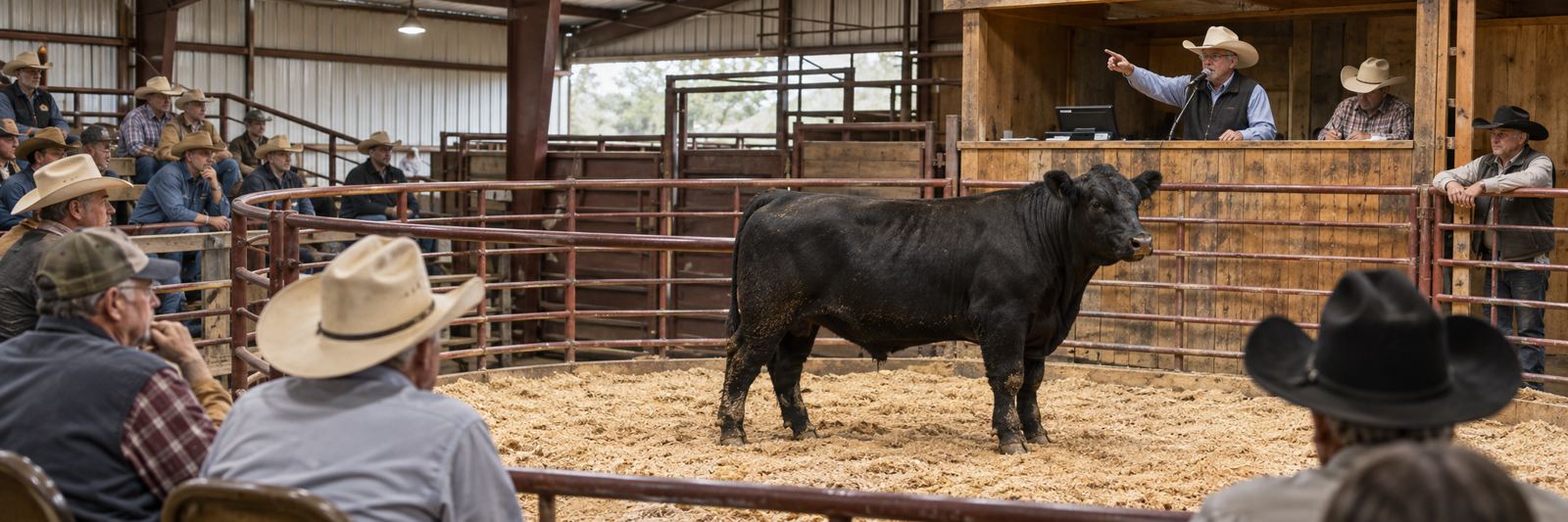
Every sale barn has a section of the catalog that reads like a confession: bulls, horned, fresh cut, not healed. Those are calves whose owners meant to get to it. The market notices, and it charges accordingly.
The rule of thumb is simple. Castrate and dehorn young, finish well ahead of weaning and sale, and the discount mostly disappears. Wait until the calf is big and the market is a week away, and you pay twice: once in the calf's setback and once on the sale ticket.
Why buyers dock bulls and horned calves
A feedlot or stocker buyer is buying a calf that has to eat, gain and stay healthy while it's moved, sorted and mixed with strangers. Intact bulls are a problem on every count. They fight, mount, bruise one another and get riled up on arrival. The buyer usually has to castrate them, which sets them back right when they most need to be settling in. Horned calves bring injuries and a dehorning job.
The discounts are measurable. A New Mexico State extension bulletin, Castrating Beef Calves: Age and Method, reports that intact calves sold through conventional channels have historically been docked in the range of four and a half to six dollars per hundredweight. Oklahoma State sale data in buyer preferences for feeder calf traits showed bulls and mixed-gender lots discounted by a similar amount compared with steers, and horned calves also took a hit. A USDA analysis of feeder cattle auction data found bull and mixed lots about seven dollars per hundredweight below steers, which on a typical calf comes to something around forty dollars a head. Those are different sales at different times, and the point isn't the exact figure. It's the direction.
Timing: the earlier the better
The NMSU bulletin puts it plainly: the younger the calf at castration, the less effect on welfare and performance. Weight loss from the procedure increases with age. One study it cites found that calves castrated on arrival at a feedlot had much higher sickness than calves castrated earlier. Surgery on a big calf is harder on the animal and harder on you than a job done at a couple of months old, and the big calf is a lot less cooperative about it.
Dehorning follows the same logic. Veterinary guidelines from the American Association of Bovine Practitioners, dehorning guidelines, say beef calves on open range should be dehorned as early as the system allows, ideally before three months. The same guidelines say that all dehorning and disbudding methods cause pain, and they treat pain management as standard care. That's a protocol to build with your veterinarian, who can tell you what to use and how.
| When you do it | What it costs the calf | What it costs at sale |
|---|---|---|
| Within the first weeks to couple of months | Lowest stress; fast healing | Usually no discount for bulls or horns |
| At branding or processing, still young | Modest setback, easy handling | No discount if healed before sale |
| At weaning | Stress piles on top of weaning | Risk of unhealed wounds at sale |
| Weeks before sale | Heavy stress, bigger wounds | Often marketed as "fresh cut," and bid down |
| Not done | None at home | Full bull and horn discounts |
Healing time is part of the price
Buyers don't mind a calf that's been castrated and dehorned. They mind one that isn't healed. A fresh wound carries infection risk, fly strike risk in warm weather and a calf that isn't eating well. A good rule is to finish these jobs well before weaning, then wean at least a few weeks before shipping, which also fits the programs described in VAC 45 and other value-added calf programs. Where the wounds are fresh, the buyer's bid will say so.
In fly country along the Gulf Coast and in the Southeast, plan the work for cooler months where you can. On the Northern Plains, don't do it in deep cold or mud. Southern Plains operators often have good windows in late winter and early spring. And in the West, branding day is the traditional point where a lot of this gets done.
A good test: if you'd be embarrassed to explain to the buyer why a calf is still intact, the calf is overdue. Procrastination is the most expensive tool on the ranch, and it doesn't even need maintenance.
Method matters less than timing
The NMSU bulletin points out that the method generally doesn't change lifetime performance. The big differences show up in the first week or so. Surgical castration brings the most acute pain with the least lingering pain. Banding brings the least acute pain but longer-lasting soreness, and it works best on very young calves. An emasculatome leaves no open wound but works less reliably on very young calves. Banding versus cutting bull calves goes through those trade-offs. Your veterinarian can tell you which fits your calves, your season and your skill.
Build it into processing day
The cheapest way to get this done is to do it when the calf is already in the chute for ear tags and shots. A calf processing day checklist can keep everything on one trip through the pen. Bring a plan for pain control, clean tools and a note on which calves need rechecking.
- Mark which calves still have horn buds or scurs.
- Check bulls and note any that were missed.
- Follow your vet's protocol for each procedure.
- Watch the calves for a few days. Swelling and infection call for the vet.
- Record dates, so you can show a buyer that wounds are long healed.
Mistakes to avoid
- Leaving a bull calf intact because the heifer calf next to him is "probably fine." She isn't the problem.
- Waiting until the weaning pen, when the calf is already unhappy.
- Doing it in fly season without a plan for wound care.
- Selling a calf whose wound is two weeks old and calling it healed. The buyer's hand knows the difference.
- Keeping a bull calf to sell as a bull when you have no market for him. Weight and price won't rescue a bull that nobody wants.
Quick answers
What is the best age to castrate a beef calf?
As young as practical, since the younger the calf, the less setback it suffers. Many ranchers do it at processing in the first couple of months. Your veterinarian can set the plan for your herd.
How long before sale should castration and dehorning be done?
Long enough for wounds to fully heal and for the calf to be eating normally, ideally well before weaning. If you're selling into a program with a weaning requirement, work backward from that date.
Do all buyers discount bull calves?
Almost all do in conventional markets, though the size varies. A few buyers want bulls for specific programs, but for most commercial sales, steers bring more.