Common Calf Marketing Mistakes and How to Avoid Them
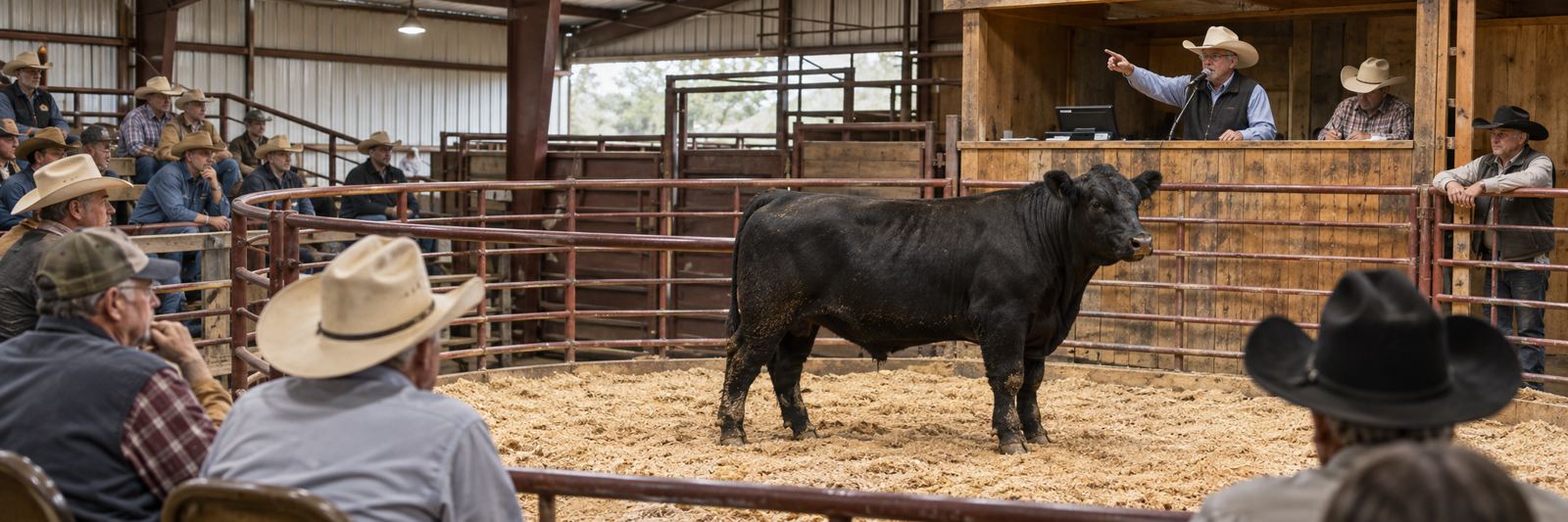
You can raise a great calf and still lose money on it in about ninety seconds at the ring. The auctioneer won't slow down for your feelings. Most marketing mistakes aren't dramatic. They're small, repeated habits: showing up without knowing what calves are worth, selling everything on the same day because everyone does, or hauling a pen of calves that doesn't match.
The good news is that nearly all of them are cheap to fix. A notebook, a phone call and a bit of patience beat most of the clever ideas.
Here are the ones that cost ranchers the most, with what to do instead.
Mistake 1: Selling without knowing your cost
If you don't know your break-even, every price sounds fine until the bills arrive. A rancher who knows the number can say no to a bid. A rancher who doesn't has to hope. Spend an evening on tracking your cost of production per calf, and keep it up to date.
Mistake 2: Going in blind on the market
Showing up with no idea what comparable calves brought last week gives the buyers the advantage. Free reports are available, and using USDA Market News reports takes about ten minutes a week.
Mistake 3: Selling everything the same way every time
Habit is comfortable. But a rancher who has sold at the same barn on the same Thursday for twenty years may be leaving money on the table. Try a different outlet with a small test lot, compare net returns, and pay attention. Options like video auctions or private sales to stockers may fit your calves better.
Mistake 4: Skipping health and handling basics
Buyers discount calves that look like a health risk, and a calf that's sick on arrival costs the buyer and damages your reputation. Work with your vet on a vaccination and weaning program, and think about whether a value-added program pays in your market. Whether preconditioning pays depends on timing and region, so run the numbers. Beef Quality Assurance resources from BQA are a good place to learn the handling side.
Mistake 5: Selling mismatched pens
A pen with big and small calves, mixed colors and mixed condition gets the price of its worst member, or at least no premium. Buyers pay for uniformity because it fills orders and feeds well. Sorting calves into matched groups takes time and a good alley, but it often pays. For more, see why uniform lots bring more money.
Mistake 6: Ignoring shrink, fees and freight
The price per hundredweight is a headline. The net check is the story. Commission, yardage, hauling and shrink can take a substantial chunk, and a barn that looks better on price can look worse after the deductions. Add them up before you compare, using fees explained as a guide, and don't forget shrink.
Mistake 7: Letting the calendar make the decision
Many ranchers sell at weaning because that's when everyone sells. Sometimes that's right. Sometimes the price is seasonally weak, and holding for a time or selling in a different season would net more, if you have feed and a plan. Hope is not a feed ration. Don't hold cattle only because you hope. Hold them when the math says gain costs less than the market will pay for it. When to sell calves goes through the tradeoffs.
Mistake 8: Poor records and paperwork
No brand papers, no health records, no weights. That's how a sale turns into a delay, a dispute or a discount. Keep a folder for each sale. See brand inspection and paperwork for what's typically needed. If you ever want to sell to a program that pays a premium for verified calves, the records are what you're selling.
Mistake 9: Treating marketing as a one-day event
Marketing starts at breeding. The cow you keep, the bull you buy, the calving season you pick and the weaning plan all decide what you have to sell. Ranchers who plan in advance have a better shot at the right calves in the right place at the right time. A written plan, even a one-pager, beats keeping it in your head. See building a simple marketing plan for a starting point.
Mistake 10: Selling the story short
Some producers sit on genuinely good calves and never tell anybody. A buyer can't pay extra for something they don't know about. Share your health program, your genetics, your weaning practices and your record of repeat buyers. You don't have to get as creative as this farm.FM story about a rancher who rebranded manure as artisan earth butter, but the lesson holds: presentation moves product. Just keep your marketing honest, because buyers have long memories and short patience.
A quick pre-sale self-check
- Do I know my break-even per hundredweight?
- Do I know what similar calves brought in recent sales?
- Are my pens sorted and matched?
- Have I added up freight, fees and shrink?
- Do I have the paperwork and health records?
- Do I have a plan B if the price is lousy?
Regional notes
The same mistakes show up everywhere, but the details change. Southern Plains sellers deal with wheat-pasture timing, Gulf Coast sellers face heat discounts, and Northern Plains sellers live with the fall run. The West has long hauls. Talk to your extension agent about which errors are most costly in your area.
Quick answers
What's the biggest calf marketing mistake?
Not knowing your costs and the market before selling. Everything else, from timing to outlet choice, depends on those two numbers.
Should I always sell calves at weaning?
No. It's the common choice, but holding calves can pay when you have cheap feed and good gains. It can also lose money, so run your numbers first.
How can I get a better price for my calves?
Improve uniformity and health, keep records, compare outlets and avoid heavy fees and shrink. None of it is glamorous, and all of it adds up.