Why Uniform Lots Bring More Money Per Hundredweight
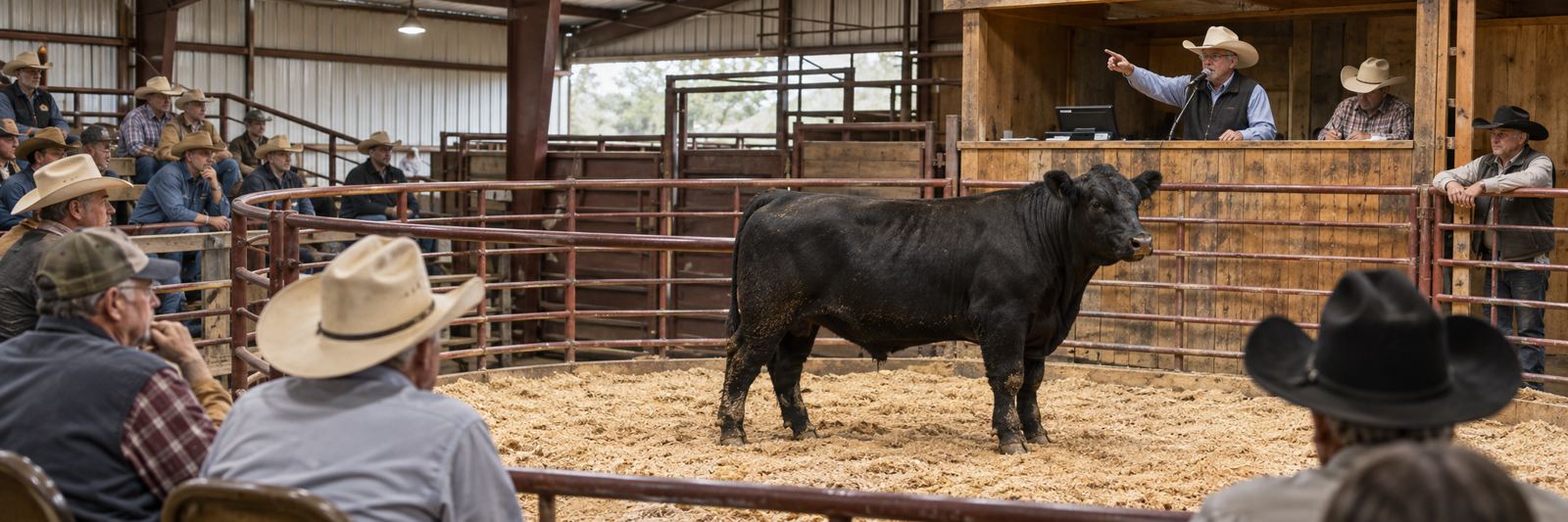
Picture two pens of thirty steer calves, both averaging 550 pounds. One pen is a tidy group within about fifty pounds of each other, mostly black, all with the same general look. The other has a 400-pound runt, a 700-pound bruiser, a red calf, a gray calf and something that might be part Longhorn. Same average, same number of head. They won't sell for the same price.
Buyers pay more for uniform lots because uniform calves are cheaper to handle, easier to feed and more predictable to sell later. The premium is usually a few dollars per hundredweight, sometimes more in strong markets, and it's one of the more dependable gains a cow-calf producer can chase.
It's also a premium you earn long before the trailer rolls. Nobody can fix an uneven calf crop at the sale barn. Not even the guy in the cowboy hat who's seen everything.
What buyers are actually pricing
A feedlot or stocker operator isn't buying individual calves. He's buying a pen. Pens work best when every animal gets roughly the same ration, the same bunk space and the same days on feed. An uneven pen means the small ones get run over at the bunk, the big ones finish early, and the manager spends extra time sorting and treating. Those costs come out of what he's willing to bid.
Uniformity also lets a buyer fill a load without mixing sources. A truck holds a set number of pounds, and if your lot fits cleanly on one deck, he doesn't need to find matching cattle somewhere else. That convenience is part of the premium. If you want the broader list of what draws bids, what buyers look for in a load of feeder calves puts it in context.
What the research shows
In an Oklahoma study of about 35,000 calves sold through 20 sales, the Oklahoma State buyer preference data found uniform lots earned an average premium that ranged from just under two dollars to a little over three dollars per hundredweight, depending on the sale. Lot size mattered too, with groups of 10 to 15 head bringing noticeably more than single head.
The USDA's Agricultural Marketing Service has also looked at value indicators in feeder cattle auction data, and it shows larger lots bringing more per hundredweight than single animals, with the gains tapering off as groups get bigger. The dollar figures change with market levels, but the direction holds.
The things that make a lot look uniform
Weight spread
Many buyers like a weight range of roughly fifty to seventy-five pounds from the lightest to the heaviest calf in a pen. Wider than that, and the buyer starts to see two groups pretending to be one. Weaning at a consistent age helps, and so does selling steers and heifers separately.
Age and calving season
A ninety-day calving window gives you a ninety-day age spread, which is a lot. A cow that calves in the wrong month isn't breaking any rules, she's just telling the rest of the pen she keeps her own calendar. Tighter breeding seasons produce tighter calf crops. If your calves arrive over five months, you'll sell uneven cattle no matter how well you feed them.
Color and breed type
A pen of all-black or all-red calves reads as a package. A mixed-color group can still sell, but buyers who like black cattle discount the odd-colored calves, and the group loses its tidy look. Hide color doesn't change how a calf performs, but it changes how a buyer feels about the lot. Breed type matters more than color, so a Brahman-cross in an English-cross pen stands out at once.
Frame and condition
Medium-frame calves in similar flesh look the most alike. Heavily creep-fed calves next to unsupplemented calves look like they came from different ranches, because in effect they did.
Sort before the sale, not at it
- Separate steers and heifers. Even if both are good, selling them together creates a mixed-sex lot, and mixed lots usually discount.
- Cut the top and bottom. Pull the oldest and youngest, biggest and smallest, so the main group sits in a tight range.
- Group by color or type if you can. If you've got a handful of oddballs, consider selling them separately.
- Weigh a sample. A scale tells you what your eye can't. If you're debating the purchase, whether a cattle scale is worth it for a small herd breaks down the cost.
- Keep the culls separate. The calf that coughed, limped or just plain looks wrong shouldn't ride with your best pen.
What if you only have a few calves
Small herds can't build uniformity just by sorting, because there's nothing to sort. The fix is size, not selection. Combining with a neighbor who runs similar cattle can turn two scraggly groups into one attractive load. Pooling calves to fill a truckload covers who handles the check, who owns the risk and what to do when someone's calves show up looking rough.
Alternatively, the premium for uniformity isn't free money. You may give up some individual-calf value by selling culls separately, and pooling takes coordination. Run the numbers on your own herd before building a whole marketing plan around a premium that may only be a few dollars per hundredweight.
Building uniformity over time
- Tighten the breeding season over a few years. It's the single biggest lever.
- Use bulls that sire similar calves, from similar genetics, rather than a different breed each season.
- Keep your mineral and nutrition program steady so calves grow at similar rates.
- Cull cows that consistently raise outliers, whether too big, too small or too wild.
- Keep records so you know which cows make the calves you like. Herd records that help selection shows a simple setup.
Regional notes apply. In the Northern Plains, tight calving windows are common because of winter weather and short seasons, and that tends to produce naturally uniform calves. In the Southeast, longer breeding seasons and mixed forage can stretch age and size ranges, so a deliberate effort at tightening up pays more.
Quick answers
How much more do uniform calves bring?
The premium is typically a few dollars per hundredweight, and it varies with the market and the sale. Studies of feeder calf auctions have found a consistent premium, but it's a modest one that stacks with other traits like lot size and health.
Does color matter more than size for uniformity?
Size and age usually matter more, because they affect how the calves perform in a pen. Color affects how the lot looks and how some buyers bid. Aim for similar weights first and similar color second.
Should I sell odd calves separately?
Often, yes. A small group of culls can drag down a whole lot, so pulling them out and selling them on their own protects your main pen. Check with your sale barn on how they'd rather handle small, mixed groups.