Marketing Calves in the Southern Plains Wheat Season
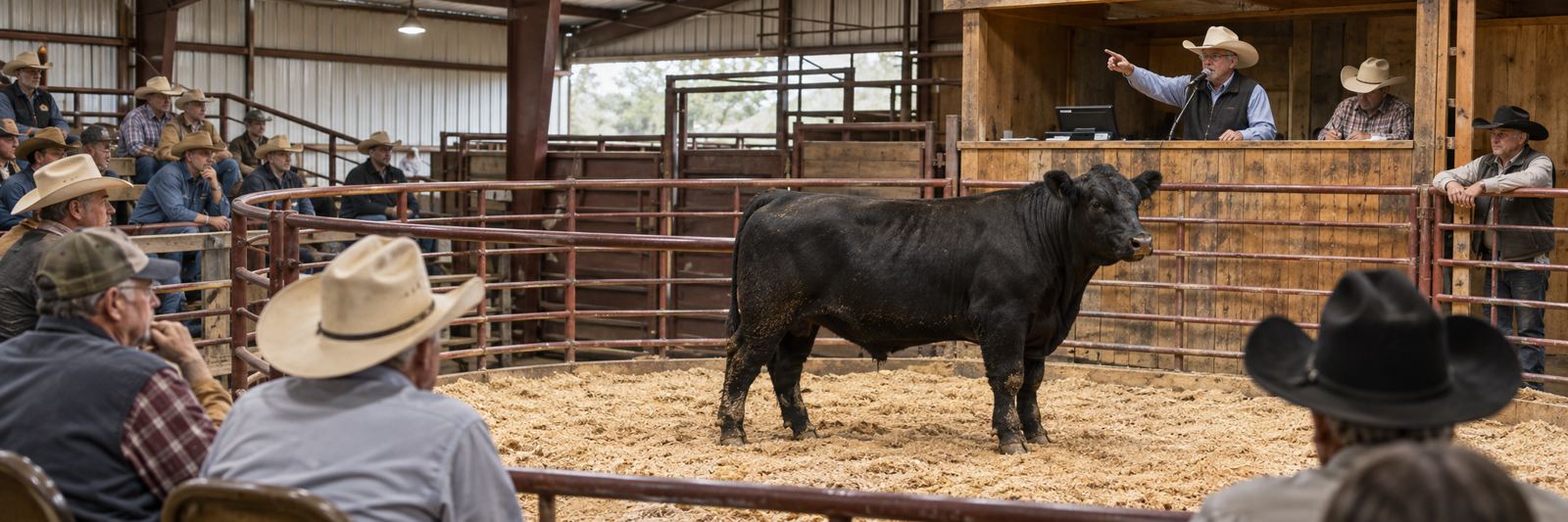
In the Southern Plains, the calf market in fall has a second customer most of the country doesn't: the wheat pasture stocker operator. When the wheat is up and green, somebody needs light calves to put on it. If you sell the right calves at the right time to that buyer, you can sidestep some of the autumn price slump that hits other regions.
That demand isn't guaranteed. It depends on moisture, wheat stand, and what feeder cattle and corn prices are doing. A dry September can make a stocker buyer very quiet, very fast. Rain is the one input nobody can finance.
This article covers what the wheat season means for your calves: what stockers want, how to time the sale, and what to do when the rain doesn't cooperate.
How wheat pasture changes the market
Wheat planted early for grazing gives stocker operators forage from late fall through winter. They buy lightweight calves, graze them for the winter, and then either sell them as heavier feeders or ship them to a feedlot, depending on the year and the wheat plan. That demand supports prices on lightweight calves from fall into winter.
Oklahoma State University extension economists have noted that calf prices tend to decline into the fall, but strong forage can sustain stocker demand and keep prices closer to steady. They have also pointed out that winter grazing profit swings widely, from decent to near zero, depending on purchase price, gain, health costs and forage. In other words, the buyer is making a bet too. When wheat conditions look good, he bids. When they don't, he stays home.
The same logic shows up in OSU's broader discussion of seasonality: calf prices typically peak in spring and bottom out in fall, because weaning-time supply comes when feed and demand are both weakest. Wheat pasture is the exception that softens the bottom.
What stocker buyers want
- Light, growthy calves. Stockers typically want calves that can gain on wheat, often in a lighter weight range than a feedlot would take. Per-hundredweight prices run higher on light calves, as explained in how calf weight affects price per hundredweight.
- Health history. Wheat pasture stocker calves face stress, mud and respiratory disease. Buyers pay attention to vaccination and weaning records.
- Uniformity. A load of similar calves sells better than a pen of odds and ends. Why uniform lots bring more money per hundredweight shows the logic.
- Bunk-broke or at least used to feed. Calves that know what a feed bunk is, and eat from one, settle faster.
- Steers and heifers separated. Mixed groups usually sell cheaper than sorted ones.
Weaning and health programs
The Oklahoma Quality Beef Network's VAC-45 program shows what many buyers have in mind. Per OSU's VAC-45 program requirements, calves must be weaned at least 45 days before sale and receive a series of respiratory and clostridial vaccinations plus a shipping fever vaccine. Calves must also be castrated and healed, dehorned where applicable, bunk trained and wearing the program tag, and producers must complete Beef Quality Assurance certification. Check the current program rules and work with your veterinarian on products and timing.
The health side has real data behind it. An OSU Cow-Calf Corner article cited Iowa feedlot data showing calves weaned fewer than 30 days before arrival had a higher rate of respiratory disease than calves weaned longer. Calves that had less than 30 days since weaning also needed three or more treatments more often. Vaccines help, but time on feed and familiarity with the new surroundings help too.
More on the logistics in VAC 45 and other value-added calf programs and how to reduce BRD in newly weaned calves. Whether the premium pays depends on your costs, which is covered in does preconditioning calves pay at the sale barn.
Timing the sale
Calves in the Southern Plains are often sold from late summer into November, depending on when they're born, how forage looks and what buyers are doing. A few guideposts:
| Situation | What it usually means for timing |
|---|---|
| Early moisture and wheat planted on time | Stocker buyers are active early; calves weaned and ready can catch strong demand |
| Dry fall, wheat not up | Buyers wait; consider holding calves on grass or feed, or selling to a different market |
| Strong corn prices | Pressure on feeder cattle values, with stockers bidding more cautiously |
| Value-added sale dates | Fixed calendar; your calves need to meet weaning and vaccination deadlines |
Don't plan your whole year around a hope for rain. The OSU outlook says the best advice is to evaluate and reevaluate frequently. Rain is a forecast. A weaned, vaccinated calf is an asset.
Where to sell
- Local sale barns: Stocker buyers and order buyers show up in numbers when wheat is ready. Ask the barn when its big calf sales are and when buyers come.
- Value-added or certified sales: Programs like OQBN schedule sales with buyers who want preconditioned calves.
- Private treaty to a stocker operator: See selling calves private treaty to a stocker buyer for how to set it up and what to put on paper.
- Video auctions: Useful for larger uniform lots.
Check recent sale results in USDA market news reports for Oklahoma and Texas markets so you know what the competition is bringing.
Texas is not all one market
The Panhandle and Rolling Plains share wheat-pasture dynamics with Oklahoma and Kansas. South and Central Texas have different forage, different cattle types and different buyers. Gulf Coast cattle, with their own challenges, are discussed in Gulf Coast calf marketing and heat discounts. Far West Texas is another system again. Local barn managers and extension agents know the quirks. A buyer from Oklahoma may bid differently on the same calf than a Texas feedlot would.
Practical tips for sellers
- Wean early enough to meet your target sale date. Count backward from the sale, not forward from the weather.
- Keep written vaccination, weaning and processing records and hand a copy to the barn or buyer.
- Know how much shrink to expect and how it's handled. Shrink and pencil shrink explains it.
- Feed the calves well before the sale, but don't fill them up at the bunk and call it value. Hauling a gut full of fresh feed means they'll just shrink it back.
- Check the pen fence the week before weaning. Newly weaned calves find the one weak panel faster than any inspector, and they'll want to discuss it all night.
- Keep a backup plan. If the wheat is late, have a second place to sell or feed to hold the calves.
If your supplement plan matters to your buyer's decision, supplementing cattle on winter wheat pasture is useful background on what the buyer will do with your calves once they're on the wheat.
Quick answers
When do stocker buyers show up in Oklahoma and Texas?
Mostly from late summer through fall as wheat is planted and begins to grow. Timing depends on moisture, so a dry fall delays them.
Do wheat stockers pay more for weaned calves?
Often, yes, especially for calves that are weaned, vaccinated and used to a bunk. Health records matter. Ask the barn or buyer what they'll pay for before you spend money on a program.
What if the wheat doesn't come up?
Buyer demand can drop quickly. Consider holding calves on grass or a ration, selling into a different market or using a value-added sale that doesn't depend on local wheat.