Junior Showmanship, 4-H & FFA Steers
Show Calf DNA Sampling and Validation Explained
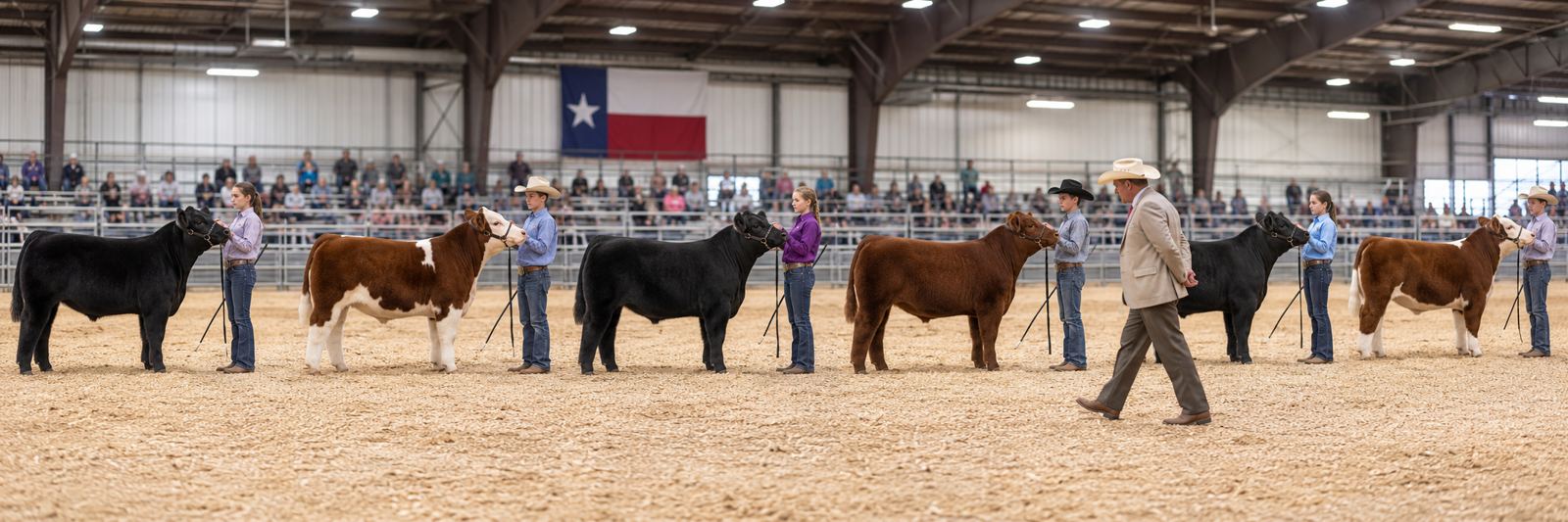
Somewhere in the entry packet there's a line about DNA, and it makes a lot of families feel like they've wandered into a crime show. Relax. Nobody's dusting your steer for fingerprints. A DNA sample is just a very reliable way to prove that the calf you entered is the calf you showed.
Most of the time, sampling means pulling a small bundle of tail hair with the roots attached, putting it in an envelope and turning it in by a deadline. The lab does the rest. The hard part, as with most show paperwork, is doing it correctly and on time.
Rules vary by state, county and show, so use this as background and let your rule book and your ag teacher or extension agent give you the actual instructions.
Why shows collect DNA
An ear tag tells officials which animal is which, but tags can fall out, get swapped or be misread. DNA is the backup. A sample collected early in the project creates a permanent identity record for that particular animal that doesn't depend on a piece of plastic.
That record serves a few purposes. It confirms that a steer entered at the show matches the animal that was sampled, which protects honest exhibitors from anyone cutting corners. It supports eligibility rules about when an animal was owned and by whom. And it gives show officials a fair, neutral way to settle questions if a placement or an identity is ever challenged.
Think of it as the receipt for your project. Cowboys have their own version of this headache, and this farm.FM piece on rodeo paperwork makes the case that the forms can be harder to wrangle than the bull. Juniors have it a little easier, since your paperwork mostly involves an envelope and a pair of pliers.
How the sample is collected
The details depend on your program, and many shows have you do it at a designated sampling day with a leader or an official present. Others send instructions home. Purdue Extension's beef and dairy DNA collection instructions are a good example of what the process looks like. They describe hair collected from the tail switch, and the steps include:
- Brush the tail area clean and let it dry. Dirt and moisture make a poor sample.
- Use clean, dry pliers. Pull hair straight away from the animal, not at an angle, so the follicle comes out with it.
- Don't cut the hair. The roots are what the lab needs. A bundle of clipped hair is a bundle of nothing.
- Collect enough hair. The Purdue instructions ask for at least thirty hairs, with the follicles attached, and tell you to start over if they aren't.
- Put it straight into the envelope. Use the self-sealing collection envelope, avoid touching the hairs, and skip plastic bags.
- Clean your tools and hands between animals. Contamination from one animal's hair can spoil another's sample.
Other programs use different methods or a specific kit, such as cards or ear sampling tools. Always follow your own show's instructions, not a general description like this one.
Handling the steer
Pulling hair from a tail is not harmful when done correctly, but a nervous steer may object, and you're standing behind him. Have him tied or held by a helper in a safe spot, stay out of kick range and move calmly. If your steer isn't comfortable having his tail touched, spend a few days handling it before sampling day. Teaching a calf to stand quietly includes the kind of everyday handling that makes this much easier.
What "validation" means
You'll hear a few terms used loosely: sampling, validation and verification. In general, the sample is the physical hair or tissue. The DNA profile is what the lab produces from it. And validation or verification is the step where the animal's identity is confirmed, whether by checking its tag and paperwork at a validation event, by matching its sample to a record, or both.
Texas, for example, runs a statewide 4-H and FFA validation program for major shows, with tagging and paperwork requirements that exhibitors must complete before certain deadlines. Other states have their own systems. Whatever the name, the idea is to lock in who owns what, and when, before the show season gets going.
At some shows, the sample you submit may later be compared with a sample taken at the show, or with other records, to confirm the identity of the animal. How and when that happens is up to the show, which is another reason to read the rule book instead of relying on what the family in the next pen heard.
A simple checklist
- Find the sampling method and deadline in your rule book, then write both down.
- Gather the envelope, the paperwork and clean pliers, or confirm that a leader will supply them.
- Collect the sample as instructed, with roots attached.
- Fill out the envelope or form completely and accurately. Illegible numbers cause problems.
- Photograph the envelope and the animal's tag before turning anything in.
- Turn it in by the deadline and ask for a receipt or confirmation.
- Keep copies in your project folder. Ear tag and ID rules go in the same folder.
What if something goes wrong?
Maybe the sample was lost in the mail, the envelope got wet or the lab says there weren't enough roots. Call your county extension office or ag teacher as soon as you hear. Most programs have a process for resampling, and the sooner you ask, the more options you have.
Don't try to fix a problem by swapping in hair from a different animal, and don't try to work around a requirement. Besides being against the rules, it's dishonest, and in a program that depends on trust it can bring penalties. Ask for help instead. The people running the program would much rather solve an honest problem than handle a dishonest one.
Mistakes to avoid
- Cutting the hair instead of pulling it.
- Using a plastic bag when the instructions say a paper envelope.
- Mixing up envelopes when sampling more than one animal. Label as you go, not at the end.
- Waiting for the last day to find out the sample wasn't enough.
- Guessing at the rules instead of asking.
If you also hear the term "eligibility" tossed around, that's a different paperwork pile. 4-H and FFA eligibility rules explain who can show and what ownership dates apply.
Quick answers
Does pulling tail hair hurt my steer?
Done correctly, it's a quick pull that most calves tolerate, though some will flinch. Keep him safely tied, work calmly and follow your program's instructions.
Why do they need the hair roots?
The DNA is in the follicle cells at the root. Hair that's cut off and has no roots usually won't give the lab anything to work with, so pull straight and check that the roots are attached.
Can I use the same sample for two animals?
Usually each animal needs its own sample. Purdue's instructions, for example, allow one sample for siblings enrolled together as long as all of them are listed on the envelope, so read your own instructions before assuming anything.