Junior Showmanship, 4-H & FFA Steers
Weigh-In Day Checklist for Junior Livestock Shows
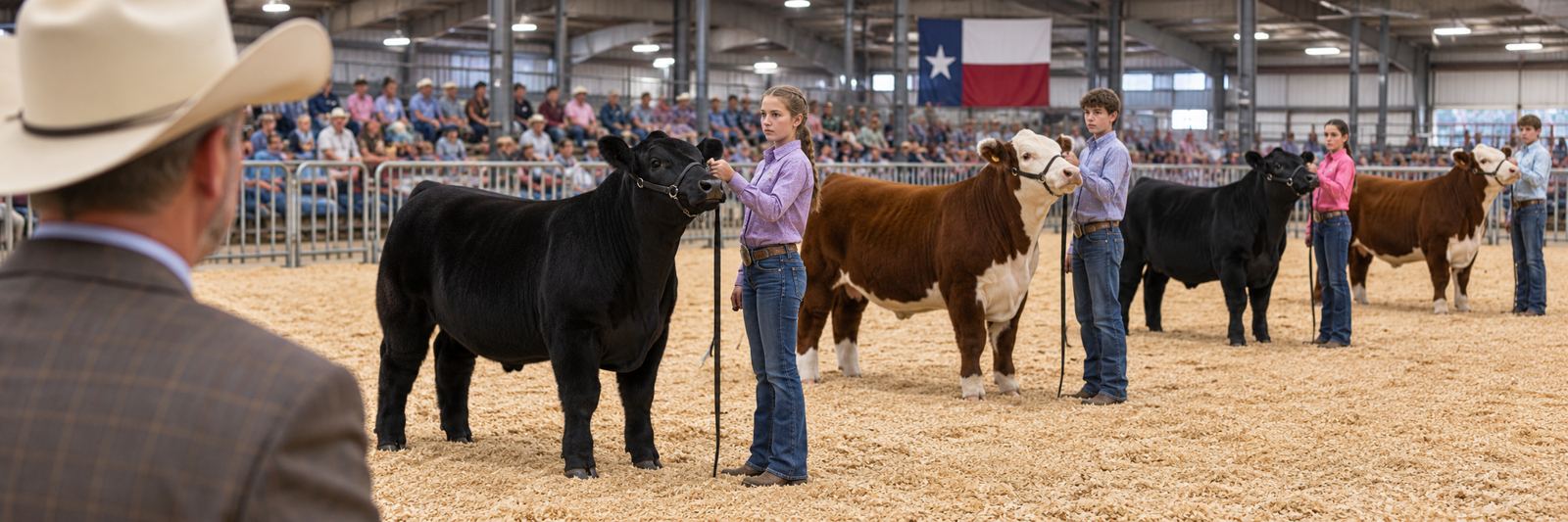
Weigh-in day is the first time your project meets the show's clipboard. Somebody will read an ear tag, somebody else will read a scale, and a third person will write both numbers down. If every piece of paper is in order, it takes about a minute. If one isn't, it can take the whole morning.
The good news is that nearly everything that goes wrong at a weigh-in can be fixed the night before. Pack the truck early, know the deadlines, and treat the steer like a calm adult who has somewhere to be.
Since every show writes its own rules, read your rule book first and ask your ag teacher or extension agent about anything that's unclear. What follows is a general plan that fits most junior shows.
What a weigh-in is for
An official weigh-in does a few jobs at once. It confirms that the animal in front of the officials matches the animal on your entry. It records a weight so the animal can be placed in a class or checked against a minimum or maximum. And at many shows, it's where identification gets checked, health papers get glanced at and tags get confirmed.
Some shows hold the weigh-in several weeks or months before the show itself, with nothing but a quick check at the actual event. Others weigh at the show only. A few do both. One Colorado State county extension page, for instance, describes a market beef weigh-in that typically comes well ahead of the fair, with separate identification deadlines. Check which kind you have, because "weigh-in" can mean different things in different counties.
The night-before checklist
- Entry paperwork and receipts. Print what you can and bring the printout, even if you filed everything online. Online systems have a way of failing on the one morning you need them.
- Health papers, if required. Some shows or states ask for certificates or specific vaccinations. Your rule book and veterinarian will tell you what applies where you live. Don't guess.
- Identification. Make sure tags are still in the ear and readable. If you've been told about a tattoo or DNA record, bring the paperwork that goes with it. The basics of show calf ID rules explains why the numbers have to match.
- Halter and lead rope. A sturdy halter in good shape, plus a spare. Ropes have an uncanny habit of vanishing at the exact moment they're needed.
- Show stick and brush. Not for fitting. Just to keep him moving and looking tidy.
- Water bucket and some of his regular feed and hay. Familiar food keeps a steer eating, and eating steers stay calmer.
- Cash and a pen. Some shows still use fees, tags or forms that need a pen. Bring two. Somebody will borrow one.
- Parent or guardian signature, if needed. A form with the wrong signature, or no signature, is a surprisingly effective way to ruin a morning.
For the barn side of things, a show box checklist for the barn, wash rack and ring covers the rest of the gear. You don't need all of it for a weigh-in, but the list helps you separate "needed today" from "needed in the ring."
Getting the steer there
A steer that has been trained to lead, tie and stand will handle the day much better than one meeting a crowd for the first time. If yours isn't there yet, teaching a show calf to lead, tie and stand quietly is worth a few evenings before the date.
On the day, a few things help:
- Feed and water normally. Check your show's guidance on whether and when to withhold feed or water before weighing. Many shows have no such rule, and some give specific instructions, so follow your rule book and your ag teacher, not a rumor from the parking lot.
- Load calmly. A well-bedded trailer, a rope that isn't tangled, and a driver who doesn't brake like they're late for something. Trailer prep, stops and stress has more on this.
- Arrive early. Lines at the scale form fast, and the person at the front of the line is rarely the one who showed up at the last minute.
- Keep him cool and shaded. Cattle waiting in the sun while the line moves don't get happier with age. Shade, a breeze and water make the wait easier.
- Stay with him. Don't tie a steer where he can get tangled, and keep him away from loose dogs, flapping banners and other nervous animals.
At the scale
When it's your turn, walk him up calmly and let the officials do their work. Don't try to push him onto the scale in a rush. A steer that sees a metal floor and a narrow gate for the first time may balk, and a quiet minute usually works better than a loud one. Other exhibitors have been there and will wait.
Expect to hear numbers read aloud and written down. Stay close enough to hear yours. Check that the weight and tag number written next to your name are correct before you walk away. A typo made at the scale is much easier to fix while you're standing there than a month later.
If the weight isn't what you hoped
Take a breath and ask the superintendent or your ag teacher what options exist. Some shows allow a different class, a re-weigh under certain conditions, or a different division. Others don't. Arguing at the scale doesn't change the number, and it doesn't make the line move faster, so keep it polite. A calm exhibitor with a good question usually gets a better answer than a loud one with a complaint.
If you came in lighter than planned, go home and look at the numbers with a clear head. How to hit your steer's target weight shows how to adjust a plan when there's still time to do so.
Mistakes to avoid
- Waiting until the morning of to find your entry confirmation.
- Showing up with a tag that's missing or unreadable.
- Using a different halter than the one he's used to, then wondering why he acts like a stranger.
- Letting a steer drink or eat in ways that conflict with your show's weigh-in rules.
- Leaving a bucket, a rope or a phone charger behind, then discovering the feed store closes at noon.
- Forgetting that the day is a long one for the steer, too. Check on him often.
One last tip, and it comes from a lot of people who learned it the hard way: keep a folder, a real folder, with everything paper inside. When a clipboard shows up, you'll be the one person in the line who doesn't have to dig through a truck.
Quick answers
What should I bring to a livestock show weigh-in?
Bring your entry paperwork, any required health or ownership forms, identification records, a halter and spare rope, a water bucket and some of his usual feed. Check your show's rule book for anything extra.
Do I need to keep my steer off feed or water before weigh-in?
It depends on the show. Many don't require it, and some have specific rules, so read your rule book and ask your ag teacher or extension agent. Never withhold water on your own without clear guidance.
Can I get my steer re-weighed?
Some shows allow it under certain conditions, and many don't. Ask the show office before the day, and ask politely on the day if you have a real concern.