Junior Showmanship, 4-H & FFA Steers
Picking and Showing a Breeding Heifer Project
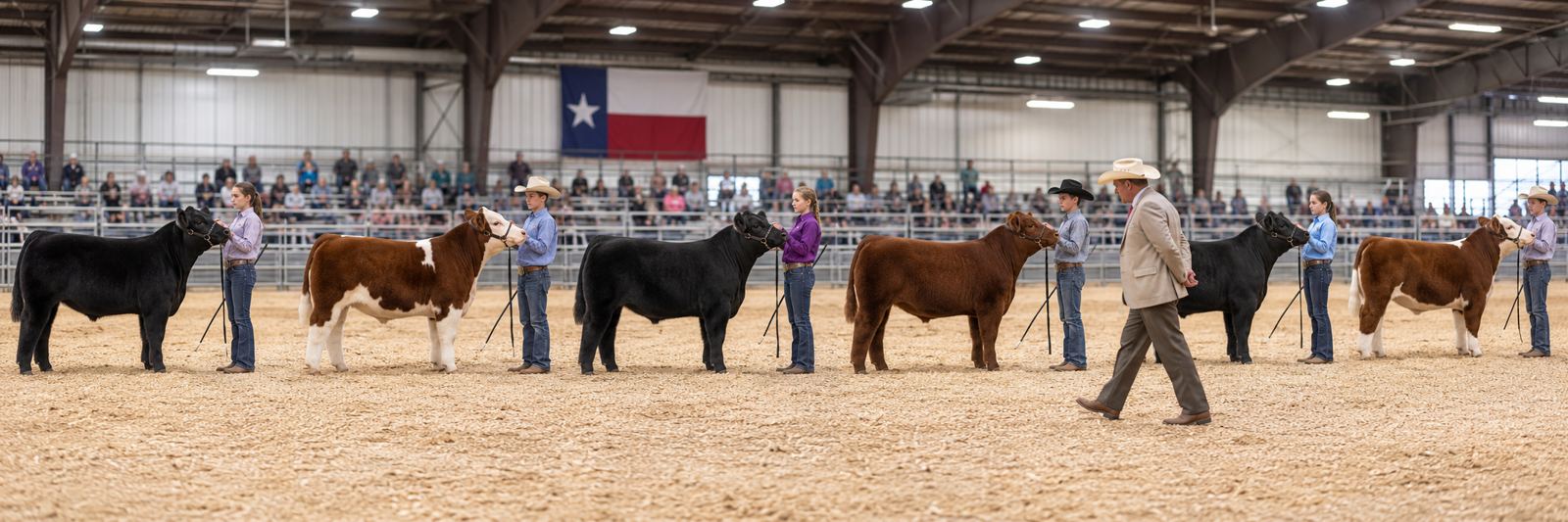
A breeding heifer project is a longer game than a market steer. A steer is judged on how he'll finish. A heifer is judged on what she could become: a sound, productive cow that raises a calf every year. That changes how you pick her, how you feed her and how you show her. It also means you're picking a roommate for the next decade, not a seasonal guest.
The big difference is the finish line. A market steer leaves the barn at the sale. A heifer goes home with you, and you'll still be looking at her in five years, so mistakes in selection follow you around like a dog that won't take a hint. Pick well and the project can grow into a small herd, a record book that tells a real story and a good chunk of a future cattle operation.
Heifer or steer: what actually changes
| Market steer | Breeding heifer | |
|---|---|---|
| Goal | Finish to a market weight and condition | Grow into a productive cow |
| Judged on | Muscle, finish, structure, market readiness | Structure, frame, balance, femininity, growth and soundness |
| Feeding | Pushes toward finish | Steady growth, without getting overly fat |
| Paperwork | Tags and eligibility forms | Tags plus breed registration papers for registered animals |
| End of project | Sale | Home to breed, show again or sell as a female |
| Length of commitment | Months | Years |
If you're still deciding between the two, market steer or heifer for a first show project walks through the tradeoffs.
Picking the heifer
An Oklahoma State 4-H publication on selecting and managing a 4-H beef heifer says the main goal is raising the heifer into a productive brood cow that calves every year, and that winning show animals is rare and takes good management. It also says to buy the best female you can afford, and to look at breed, body type, skeletal structure and frame size for the breed.
What to look for
- Structural soundness. Straight legs, good feet, a strong topline and a smooth, free stride. The same publication warns against skeletal defects such as sickle hocks, cow hocks, buck knees and toeing in or out, since these can't be corrected.
- Frame and growth. A frame appropriate to the breed and the type of cow you want, from a herd that records performance.
- Femininity. A feminine head and neck, a good body shape and balance.
- Disposition. A heifer who's calm and workable makes a better project and a better cow.
- Health. Clean eyes, good appetite and a clean bill from a veterinarian. Buy from herds with a good health reputation.
- Pedigree and records. Performance-tested herds keep records on weaning weight, yearling weight and expected progeny differences (EPDs), and the Oklahoma publication recommends choosing from them when possible.
Younger isn't always easier. The same source says heifers around 7 to 8 months old and weaned are easier to manage than younger calves, which are more sensitive and more prone to illness. If your show is a breeding class, check the age divisions in the show catalog so you know where she'll fall. And ask your ag teacher or extension agent to look at her with you, since an experienced eye catches things a first-timer won't.
Registered or commercial?
Registered heifers carry papers from a breed association. They offer more show and breed-association options, and the papers have to be accurate and never altered. Commercial or grade heifers can be excellent projects too, and many shows have separate classes for them, especially in Texas and other Southern states. Rules vary by show and by state, so read your rule book before you buy. 4-H and FFA livestock project eligibility rules covers the basics of ownership and tag deadlines.
Paperwork matters more than you'd think
A registered heifer needs her papers transferred into your name before show day. The Oklahoma publication notes that the registration papers record the name, number, birthdate, tattoo and parentage, and that tattoos (and brands, for some breeds) have to match. Allow time. Associations don't always move at the speed of a teenager's group chat, and the form you mail on Friday will not be waiting in your inbox on Saturday no matter how hard you refresh.
Many major shows also want DNA records or validation for show animals. Check your show's rules early, and see show calf DNA sampling and validation explained and ear tags, tattoos and show calf ID rules so nothing surprises you at tag-in.
Feeding for growth, not for finish
This is where a heifer project parts ways with a steer. You want steady, healthy growth and a body condition that's good but not overdone. The Oklahoma publication warns that overly fat heifers breed slowly, milk poorly and face higher calving risk. It suggests pasture or paddock grazing with limited grain and warns against small pens that limit exercise. It also recommends weighing heifers monthly to check gain and adjust feed.
Keep these basics in mind:
- Match the feed to her size, age and the quality of your forage, and have your hay tested if you can.
- Let her move. Exercise builds a better structure than a stall does, and a heifer who has never walked farther than the feed bunk will treat the show ring like a surprise party.
- Keep fresh water in front of her at all times.
- Follow your vet's vaccination and health plan. Requirements, including brucellosis vaccination, vary by state.
- Use only products approved for breeding females, and follow the rules of your show and your Beef Quality Assurance training. Never use anything that isn't allowed.
Target weights are another difference. For commercial heifers headed for breeding, the same publication aims at about 65 percent of mature weight at breeding and about 85 percent at calving. A show heifer isn't necessarily bred as a junior, but the same growth goals explain why you don't want her pushed too hard. For the production side, see target weight for breeding heifers and how to develop replacement heifers.
Showing the heifer
In the ring, a heifer class looks different from a market class. Judges usually line up animals by age division, and they look at structure, balance and how she moves, plus her frame and overall femininity. Muscle and finish count less than they do in a steer class.
- Walk her, a lot. A heifer that tracks straight and walks out freely stands out. Practice on the same surface you'll show on if you can.
- Set her feet and keep her head up. The basics in how to set a steer's feet for the show ring apply to a heifer too.
- Know her story. Judges may ask about her pedigree, her feed program and what you plan to do with her next. Have real answers. "She's pretty" is accurate, but it won't carry you through a follow-up question.
- Don't over-fit. A clean, groomed heifer is the goal, and extreme fitting that hides a structural problem won't help her or you.
Rules for classes, ownership, DNA and breeding-heifer divisions vary by show, so follow your own fair's rule book and talk with your ag teacher or extension agent as you plan.
Quick answers
Is a heifer project harder than a steer project?
It's different. A heifer asks for more patience and a longer commitment, plus paperwork for registered animals, but she doesn't have to hit a market weight by show day. Many juniors find the long-term herd-building part is the best reward.
Do I need a registered heifer for 4-H or FFA?
Not always. Many shows have registered and commercial classes, and both can work. Check the rule book for the shows you plan to attend and ask your ag teacher or extension agent which fits your goals.
Can I breed my show heifer?
Often yes, but timing matters. Her age, size and condition should be right, and your vet and ag teacher or extension agent can help you plan. Waiting until she's grown enough is better than rushing.