Junior Showmanship, 4-H & FFA Steers
Keeping a Show Steer Cool in Texas Summer Heat
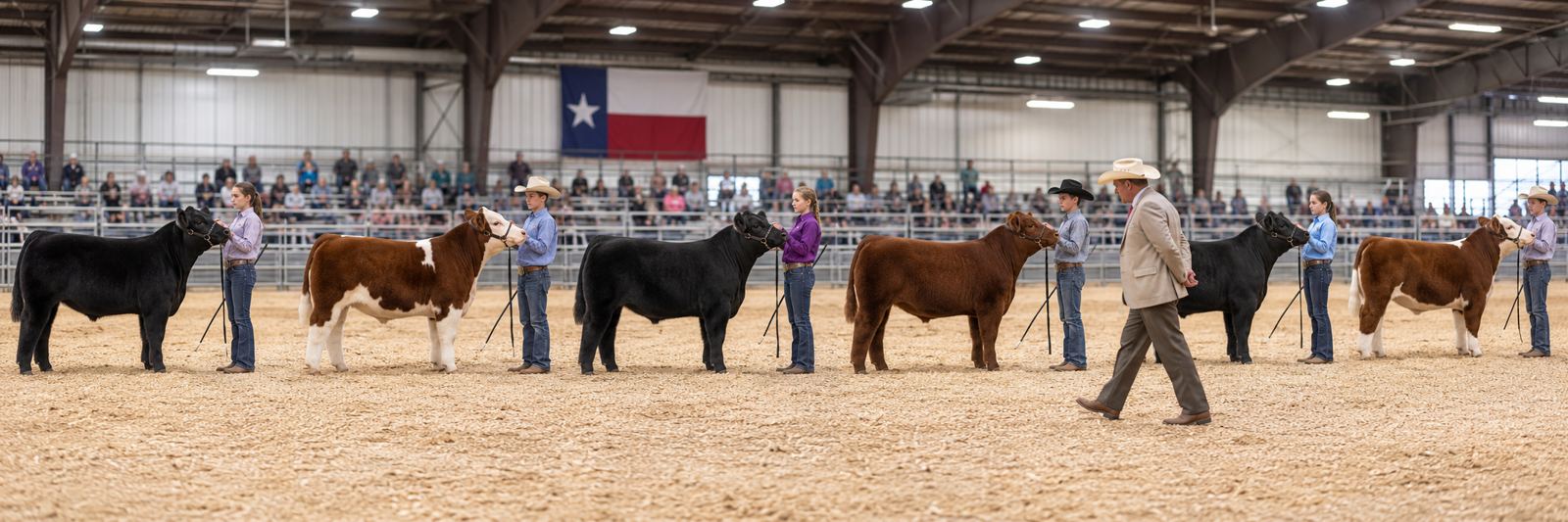
A Texas summer has a way of making everything slow, including your steer. He eats less, drinks more, stands in the one corner where the fan reaches, and looks at you as though the heat were your idea. He has a point. Cattle are built to hold heat, and a heavy, hairy, well-fed show steer holds more of it than most.
Protecting him comes down to four things: shade, moving air, plenty of cool water, and a feeding routine that does not add heat at the worst time of day. Add a light touch with the hose, a close eye on his breathing, and a plan for when it all goes sideways, and you have the whole game. None of it is fancy. Most of it is just showing up at the barn at the right hours.
The same basics apply across the South, including the Gulf Coast, where humidity makes heat harder to shed, and the dry Southwest, where nights cool off more. Adjust for your own barn, and check with your ag teacher or veterinarian about what works locally.
Why steers struggle in the heat
Cattle do not shed heat like people. According to University of Missouri Extension, cattle sweat at only about a tenth of the human rate, so they rely heavily on breathing and airflow to cool off. Digesting feed also makes heat, so a steer on a full ration is basically a small furnace with a tail.
Risk climbs when several things stack up:
- High humidity, since sweat and breathing cool less when the air is already wet
- Little or no breeze, especially in a closed barn with stale air
- Dark hair coat, heavy body condition and a growing show-weight steer
- Hauling, crowded pens or hard work in the afternoon
- Muddy, hot ground and water that has been sitting in the sun
Barn setup that actually helps
Shade and ventilation
Shade is the first thing, and stale air is the enemy. Missouri Extension warns that stagnant air can become dangerous quickly and recommends fast-moving fans in livestock barns. Open the sides, remove anything that blocks airflow, and aim fans so air moves across the animal's body, not just through the aisle. Check that the fan does not blow dust right into his face, and keep cords and fan cages out of reach of curious tongues.
Floors and bedding
Concrete holds heat, while shavings and sand stay cooler. Many families keep a sand or dirt bed where steers can lie down comfortably. Keep it clean. A steer that is lying in manure on a hot day is not getting any cooler.
Misting and washing
A gentle spray with a coarse mist helps. The same Missouri guidance recommends large-droplet mist rather than a fine fog or very cold water, which can cause shock and does not cool as well. Think rain shower, not pressure washer. If you are washing a hot steer, start at the legs and work up, and keep him in the shade afterward. Foggers that soak the barn can cause trouble with humidity and wet hair, so use them carefully and keep air moving.
Water first, always
An overheated steer needs water, and plenty of it. Keep buckets or tanks full, clean, and out of direct sun. Check them twice a day, because a steer can empty a bucket faster than you can fill the next one. If water gets hot enough that you would not drink it, fix that. Knowing how much water cattle drink in hot weather helps you size the container so you are not hauling buckets every ten minutes. Ask your veterinarian before adding anything to the water, including electrolytes.
Feeding in the heat
Steers often eat less when it is hot, and trying to force the issue can make things worse. A few practical ideas:
- Keep feeding times regular, and move the heavier meal to the coolest part of the day, such as evening or very early morning
- Have plenty of quality roughage available, since fiber helps keep the rumen working
- Make feed changes slowly, because a sudden jump in feed can cause digestive trouble
- Do not feed a big grain meal right before hauling or hard work
- Remove uneaten feed that gets hot and stale
A steer that is going off his feed in the heat deserves attention, not just a different scoop. See what to do when a show steer goes off feed for a quick checklist. A good feeding program can be adjusted for summer without throwing away your weight goals.
Hair, hauling and daily routine
Hair coat and heat do not mix perfectly. Growing hair in hot weather is possible with the right management, which is covered in growing hair on show cattle in hot weather, but the steer's comfort comes before the coat. If he is struggling, the hair program yields.
For hauling, Missouri Extension suggests traveling early in the morning when it is cooler, hauling fewer animals per trip rather than crowding, and not packing trailers on hot, humid days. Never leave a steer parked in a trailer in the sun while you go inside for a funnel cake. He cannot get out and he cannot tell you he is cooking. You will find more tips in hauling show cattle.
Plan the day around the heat. Walk, rinse and practice in the cool of the morning, not at four in the afternoon. A steer who gets worked hard at midday will let you know, and the bill comes due about an hour later.
Warning signs and when to call the vet
Heat stress can move fast. Watch for:
- Rapid, heavy panting, or open-mouth breathing
- Drooling, an extended tongue or a frothy mouth
- Lethargy, standing apart, or reluctance to move
- Wobbling, stumbling or collapse
- Refusing water or feed along with any of the above
While you wait for help, move the steer to shade and airflow, offer water, and cool him gently with a coarse mist or hose, working from the legs upward. Do not dump ice water on him. If he is open-mouth breathing, wobbly, or does not seem like himself, call your veterinarian right away and tell your ag teacher or leader. A hot steer is an emergency, not a lesson.
A quick heat-day checklist
- Water full, clean and shaded
- Fans on and airflow checked
- Bedding clean and cool
- Feed schedule moved to the cool hours
- Light misting in the afternoon, not a soaking
- Breathing and attitude checked at every visit
Texas leaves little room to hide from summer, so it is worth planning around it. The Texas junior livestock show season explains how the show calendar lines up with the hottest months.
Quick answers
How hot is too hot for a show steer?
There is no single number, because humidity, wind, shade and the steer's condition all matter. When it is hot and humid, treat the day as high risk and watch the animal's breathing closely. Ask your vet for guidance for your area.
Should I clip my steer in summer to keep him cool?
Clipping can change how much heat a steer holds and how he sheds it, so ask your ag teacher or vet what fits your steer and your show date. Shade and airflow matter more than any haircut.
Can I give my steer electrolytes or other supplements in the water?
Check with your veterinarian first, and check your show's rules, since some products are restricted. Plain, cool, clean water is the starting point.