Junior Showmanship, 4-H & FFA Steers
Growing Hair on Show Cattle in Hot Weather
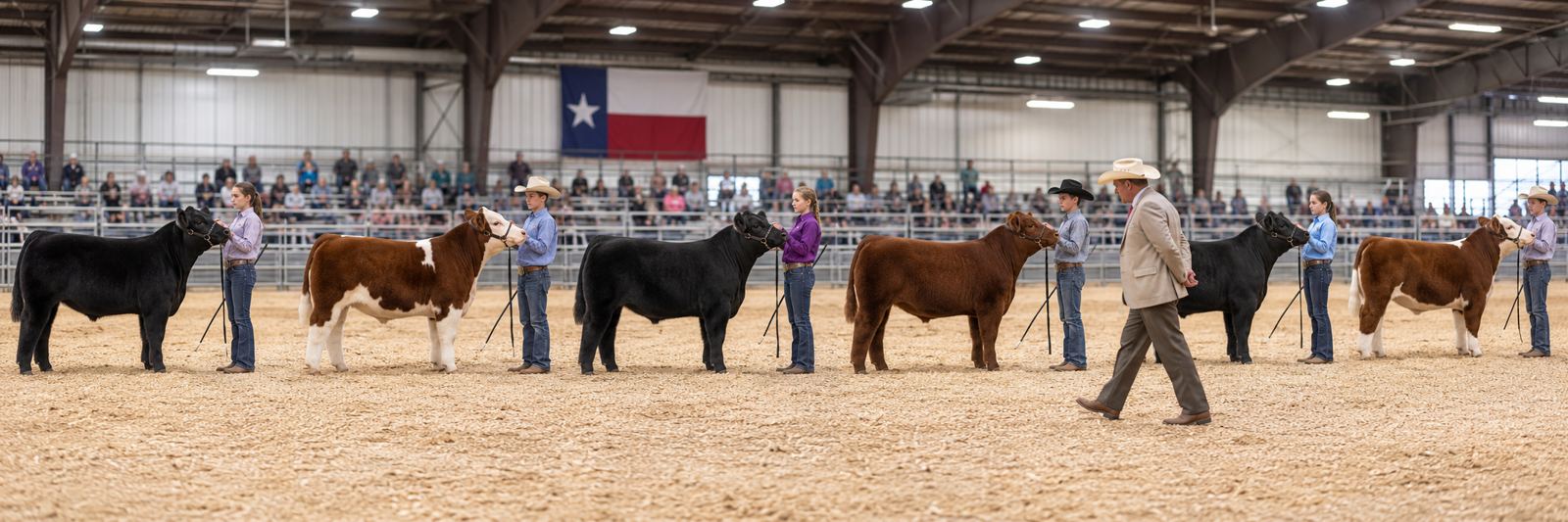
You can't force hair. You can set the conditions that let a calf grow the best coat his genetics allow: keep him out of the sun and heat, brush him every day, keep his skin clean and healthy, and feed him a sound ration. A cool calf grows more hair than a stressed one, and a stressed one grows grudges.
That's the short version. The long version is that summer works against you. Heat and long days tell a coat to thin out, which is the opposite of what a hair-show exhibitor wants. So the work in hot weather is mostly about protecting what's there.
What Actually Controls a Calf's Coat
Several things pull on hair growth at once:
- Genetics. Some calves just come with more hair. A buyer or breeder can tell you what the parents carried. If you're still choosing, what to look for in a prospect show calf covers more than hair.
- Season. Cattle naturally shed and grow coats in step with the seasons. Long, warm days favor a short summer coat, and cold, short days favor a thicker winter coat.
- Heat and comfort. A calf fighting heat is spending energy on cooling himself, not growing hair.
- Skin health. Hair grows from skin, so dandruff, rubs, rashes and parasites all get in the way.
- Nutrition. A calf needs a sound, balanced ration to keep his body and coat healthy.
You control the last three. Genetics and season are things you work around, and no amount of wishing speeds up a calendar.
Cooling Is the Biggest Lever
Heat is the enemy of both the calf and the coat. The University of Wisconsin's livestock team lists shade, plentiful clean water and moving air from fans as the basics for keeping cattle comfortable, in its piece on keeping cattle cool and comfortable in summer. It also lists signs of heat stress, including more standing, restlessness, drooling and open-mouth breathing, and notes that young calves and heavy cattle are at greater risk. If your calf shows serious signs, cool him down, get an adult and call your veterinarian.
In practice, that means:
- Keep the calf in a shaded, well-ventilated barn or pen during the heat of the day.
- Use fans to move air across the animal, and keep the airflow steady.
- Make sure clean, cool water is always available. A calf that won't drink in hot weather is a calf that needs help.
- Rinse with cool water to take the edge off, then let the coat air-dry or blow it out. Never leave him wet in a closed, stuffy barn.
- Do hands-on work and exercise early in the morning or in the evening.
Southern exhibitors face the worst of this. The full routine for hot climates is in keeping a show steer cool in Texas summer heat. Exhibitors in the Northern Plains get a milder summer but sometimes a short, intense hot spell that catches everybody off guard, so don't skip this because your county rarely sees 100.
Brushing Is the Free Part
The NC State guide for youth beef cattle exhibitors recommends brushing or combing daily, ideally at feeding time, working forward and slightly up on a wet coat, and doing the inside and outside of the legs too. For warm weather, it suggests keeping the animal cool, wetting him down, brushing more often and working his hair early in the morning or late in the evening.
Daily brushing stimulates the skin, removes dead hair and dirt and trains the coat's direction. It also costs nothing but time, which makes it the only part of this project that never shows up on a feed bill. Calves tend to love it once they trust you. A grown steer leaning into the brush with his eyes half closed is one of the best things in a barn.
Keep the Skin and Coat Healthy
- Wash with mild soap and rinse thoroughly. Leftover soap can lead to flaky skin. The full routine is in washing and conditioning a show steer's hair coat.
- Don't over-wash. Too much soap can dry the skin.
- Watch for trouble. Scabby patches, bald circles, constant itching or rubbing deserve an adult's attention and a veterinarian's opinion.
- Control flies and keep bedding clean. Flies drive a calf crazy, and a calf that's fighting flies is not relaxing and growing.
- Keep him out of direct sun for long stretches. Sun fades and dries a coat.
Feeding for Coat and Condition
A balanced ration supports everything, coat included. Protein, energy, minerals and vitamins all matter, and so does fresh water. Heat reduces appetite, so a calf may eat less in July than he did in April. Don't try to fix that with something you saw online. Talk to your ag teacher, extension agent, feed dealer or veterinarian about the ration, and see the show steer feeding program for beginners for the basics.
There's a thick market of products promising hair growth. Many are harmless and many don't do much. Before you use any feed additive, supplement or topical product, check your show rules and Beef Quality Assurance guidelines, and ask your ag teacher or veterinarian. Anything that bends the rules is off the table, and no coat is worth a disqualification.
Realistic Expectations
Here's the honest part. A calf with thin genetics isn't going to look like a calf with thick genetics, no matter how many fans you buy. Judges in market classes evaluate the animal's muscle, structure and finish, and hair is only part of the presentation. In showmanship, they evaluate you. A well-groomed calf with good manners and a clean, healthy coat will always beat a hairy one that won't walk.
Think of the summer as maintenance, not a race. You're keeping him healthy, comfortable, clean and brushed. Whatever hair he grows is a bonus, and your calf's comfort is the point.
Quick answers
Can I make my show calf grow more hair?
Not by force. You can support the coat he's capable of by keeping him cool, brushing daily, keeping the skin healthy and feeding a balanced ration. Genetics and season set the ceiling.
Does heat affect a calf's hair growth?
Yes, long warm days favor a shorter coat, and a calf under heat stress puts energy into staying cool. Shade, airflow, water and early-morning or evening work all help.
Are hair-growth supplements safe to use?
Some are fine and some aren't, so check your show rules and Beef Quality Assurance guidelines before using anything, and ask your ag teacher or veterinarian. If it's not clearly allowed, don't use it.