Junior Showmanship, 4-H & FFA Steers
When to Buy a Show Steer for Fall or Spring Shows
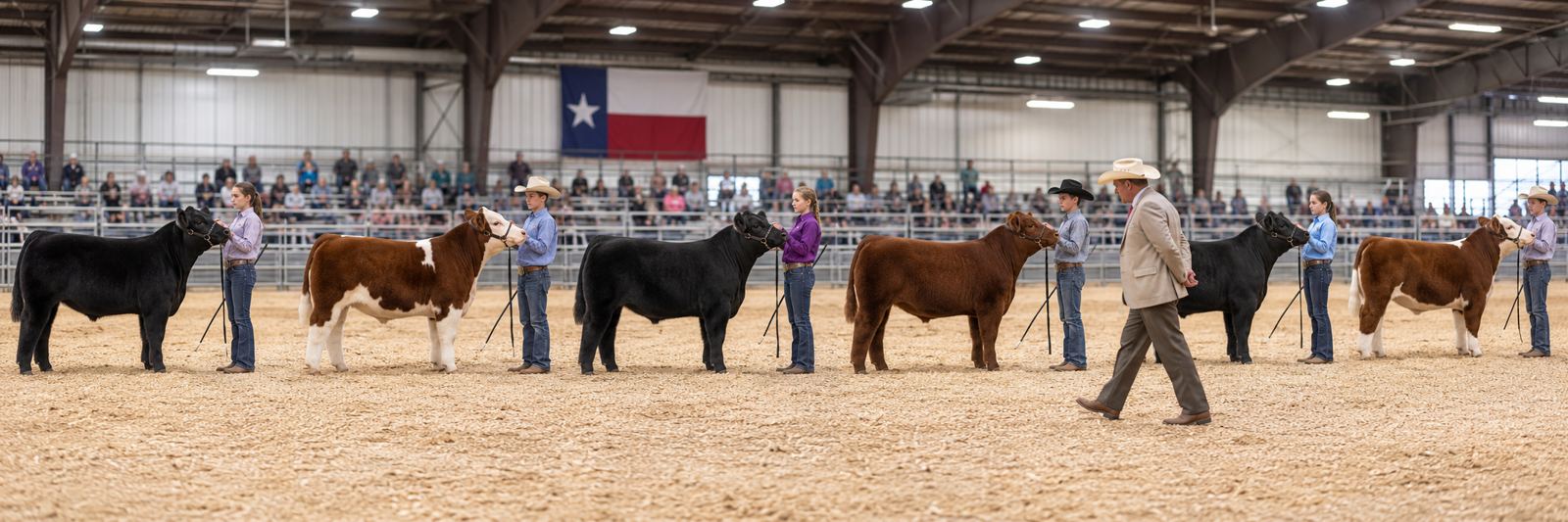
The short answer: count backward from your weigh-in date. Most market steer projects need somewhere in the neighborhood of eight to ten months from purchase to show, depending on how big and how old the calf is when you buy him. Add time for your show's tagging and ownership deadline, which can land well before the show itself, and you've got your buying window.
Buy too late and you'll be trying to put weight on a calf that doesn't have time to grow, which tends to end with a lot of worry and a very full feed bill. Buy too early and you're feeding a calf that's going to be too heavy at weigh-in, and you'll spend the final stretch holding him back. Both are fixable, and neither is fun.
Step one: find your real deadlines
Before you look at a calendar, look at your rule book. Every fair and show sets its own dates, and they can be different from what you expect. Check the following:
- Ownership date: when the calf must be in your name.
- Tagging or ID date: when he must have official ear tags, and any tattoo or other ID your show requires.
- DNA sampling date: if your show requires validation, when the sample is due.
- Entry deadline: when your paperwork and fees are due.
- Weigh-in date and weight limits: your target.
For an explanation of the paperwork side, see ear tags, tattoos and show calf ID rules explained. The tagging deadline is often the date that sets your buying deadline, not the show date. Families who figure that out in the middle of the project are the ones who say words in the feed room.
Step two: work backward
Here's the basic math. Start with your show's weight limits and your expected finish weight. Then estimate how much the calf needs to gain and how long that takes.
- Pick a target finish weight that fits your show's range, with a little room on either side.
- Estimate the calf's starting weight. A scale weight is better than a guess.
- Subtract to find total gain needed.
- Estimate daily gain. Growing steers on a sound ration commonly gain somewhere around two and a half to three and a half pounds a day, but it varies by calf, ration and weather. Your own scale will tell you more than any chart, so plan to weigh regularly.
- Divide gain by daily gain for the number of days.
- Add a cushion, because calves get sick, shed hair, hit heat waves and stall for reasons known only to the calf.
Extension publications like Clemson's youth livestock beef projects guide describe market animals as typically finishing in roughly eight to ten months, depending on the age and size at purchase, which fits the rough range above. Ask your ag teacher or extension agent what's typical in your area. For help managing the scale itself, how to hit your steer's target weight by show day goes through it.
A sample calendar
These are examples, not rules. Your show's dates and your calf's growth will move everything.
| Show type | Typical buying window | What to plan around |
|---|---|---|
| Late-winter or early-spring major livestock shows | Often the late spring or summer before, sometimes earlier | Long feeding period and early tagging deadlines |
| Spring county shows | Often the late summer or fall before | Cold-weather hair growth and winter feeding |
| Summer county fairs | Often late fall through winter | Heat during the last stretch and fair-week weights |
| Fall fairs and state fairs | Often winter through early spring | Summer heat, flies and keeping a calf cool |
Regional differences matter. In Texas and much of the Southern Plains, the big winter and spring livestock shows sit early in the calendar and set the schedule for the season, as laid out in Texas junior livestock show season explained. In the Northern Plains and Midwest, summer county and state fairs are the main events, and buying windows move later. In the Southeast and the West, shows vary, so ask local exhibitors when families in your area typically buy.
Buying for a fall show
If your show is in the fall, you'll usually buy in winter or early spring. The benefit is that your calf grows through mild weather and spring grass is available for the growing stage if your plan includes it. The challenge is summer. Heat is hard on feeding, hair growth and appetite, so plan shade, fans, wash time and a feeding schedule that fits hot days. That calls for planning like in growing hair on show cattle in hot weather.
Buying for a spring show
For spring, you're usually buying in late spring through fall of the year before. You'll have a cooler stretch for growth and hair, but you may deal with mud, cold snaps and short days, and you'll feed through the winter. Make sure you have a dry, clean pen and a plan for keeping the calf comfortable.
Mistakes to avoid
- Looking at only the show date. The tagging and ownership date comes first.
- Buying the heaviest calf available. Heavy now can mean overweight at the show.
- Not allowing for setbacks. A sick calf can lose weeks.
- Forgetting training time. A calf needs time to settle in, learn to lead and get used to being handled. Plan for it using halter breaking a show calf step by step.
- Waiting for the perfect calf. He doesn't exist, and the good ones sell while you wait.
Before you commit, check dates and weight limits with your fair office, your ag teacher or your county extension agent. They know the local rules, and they've watched plenty of families learn this one the hard way.
Quick answers
How long does it take to get a steer ready for a show?
Many market steer projects run roughly eight to ten months from purchase, but it depends on the calf's size, his growth and your show's weight limits. Work backward from weigh-in and add a cushion.
Can I buy a show steer a few months before the fair?
Sometimes, if your show's ownership deadline allows it and the calf is already the right size and condition. It leaves little room for setbacks, so ask your ag teacher whether it makes sense in your situation.
When is the tagging deadline for most shows?
It varies widely, and for some shows it falls months before the event. Check your own rule book or ask your county extension office to confirm the date.